
Reviewed · GOBUSTAN TOURS
Baku: Gobustan, Mud Volcanoes, Ateshgah, and Yanardag Tour
Gobustan’s ancient carvings and Azerbaijan’s natural flames make this one of the most varied day trips from Baku. In a single outing, you go from prehistoric rock art to bubbling mud craters, then on to fire temples and a hillside flame fed by underground gas.
I like the private transport, which keeps a long day more comfortable, and the chance to see both archaeology and living religious tradition. I also like the strong emphasis on guides: Mushfiq, named in one five-star account, is praised for his English, history knowledge, and extra help after the tour.
The main drawback is cost beyond the advertised $99. Add $24 for the listed entry tickets, plus lunch and personal expenses, and the day costs more than the headline price. The mud volcano stop also involves climbing and uneven ground.
Key points to know before booking
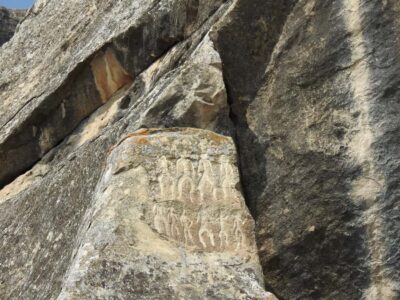
- Gobustan combines a modern museum with more than 6,000 ancient rock drawings and caves.
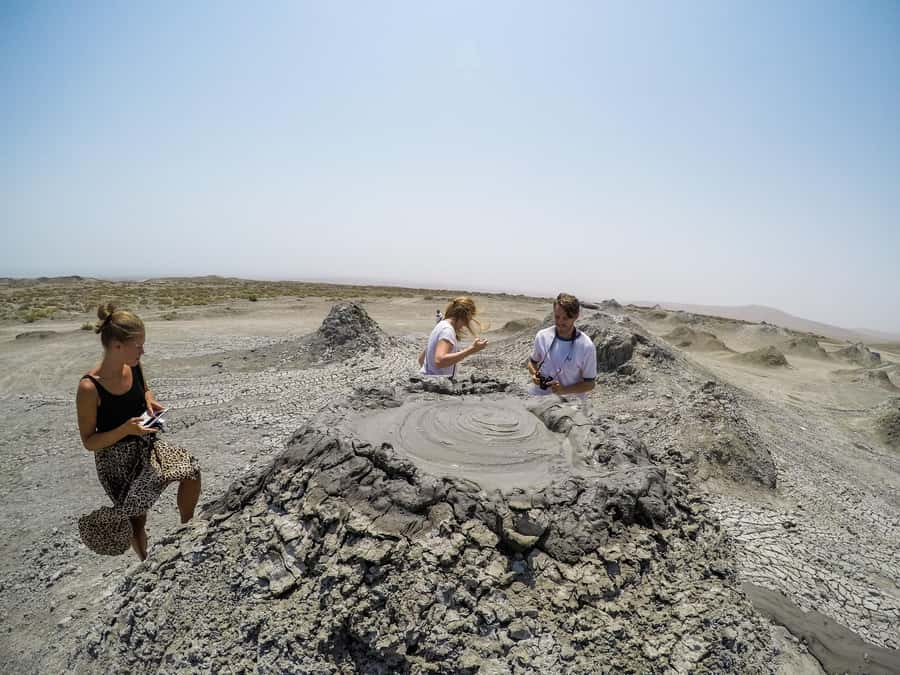
- The mud volcanoes are active natural formations, with craters you can approach on foot.
- Ateshgah connects Azerbaijan with Hindu and Zoroastrian fire worship.
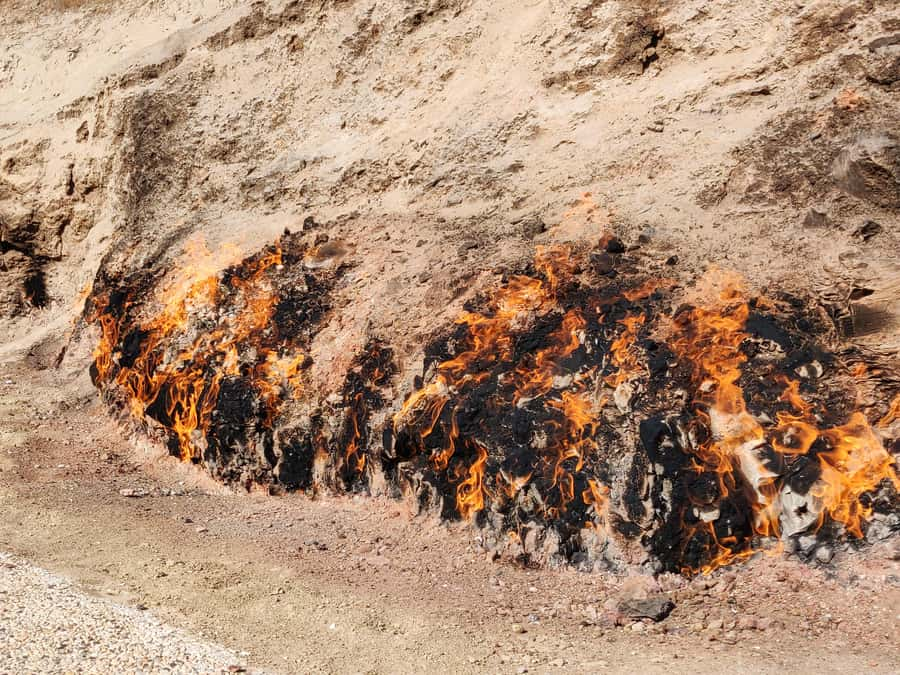
- Yanardag is a natural gas flame burning on an Absheron hillside.
- Your day lasts nine hours and includes private transport and pickup in Baku.
- The $99 rate excludes $24 in listed admission fees, lunch, and personal spending.
Why this day trip works from Baku
Baku is a polished capital, but the most unusual stories of the Absheron region sit outside the city. This tour gives you a practical way to reach four very different places without arranging separate taxis or trying to match infrequent transport.
The route is especially useful if you want more than an old-city walk. Gobustan gives you prehistoric art. The mud volcanoes show the area’s restless geology. Ateshgah explains the region’s long connection with sacred fire, while Yanardag brings that theme into the natural world.
You spend about nine hours on the outing. That is a full day, but the stops are varied enough to keep the pace moving. The private group format also matters. You can ask questions directly, and the guide can explain details at a pace that suits your group rather than a large crowd.
Pickup and drop-off are provided at your hotel or another location in Baku. The scheduled finish is in Baku at Fountain Square, a useful central point if you want to continue with dinner or an evening walk.
More trips out to the Gobustan petroglyphs:
- Baku: Gobustan, Mud Volcano, Fire Mount, Temple Lunch Entry
★ 4.9 · 3,246 reviews - BEST Gobustan, Volcanoes & Absheron Fire Tour (Group or Private)
★ 5.0 · 1,254 reviews - Gobustan and Absheron tour (All inclusive)
★ 5.0 · 1,014 reviews
Gobustan Museum puts the rock art in context
The first major stop is the Gobustan Museum, where interactive displays explain the area’s archaeology, natural setting, people, and cultural development. Touch screens and three-dimensional panoramas show how people lived between roughly 5,000 and 20,000 years ago.
That preparation helps. Without it, a rock carving can look like a simple outline on stone. In the museum, you get a clearer sense of how archaeologists read these images and connect them with daily life, customs, and beliefs.
The exhibits also include objects dated to roughly the fourth through second millennia BC. This gives you a useful time frame before you head outdoors. I appreciate this order because the museum supplies the background first, then the rocks give you the physical setting.
Plan to spend around two hours on the Gobustan portion, including the museum and outdoor site. The museum is the easier part physically. It also helps on a hot day, since the open rock area offers less shade.
Walking among Gobustan’s ancient carvings
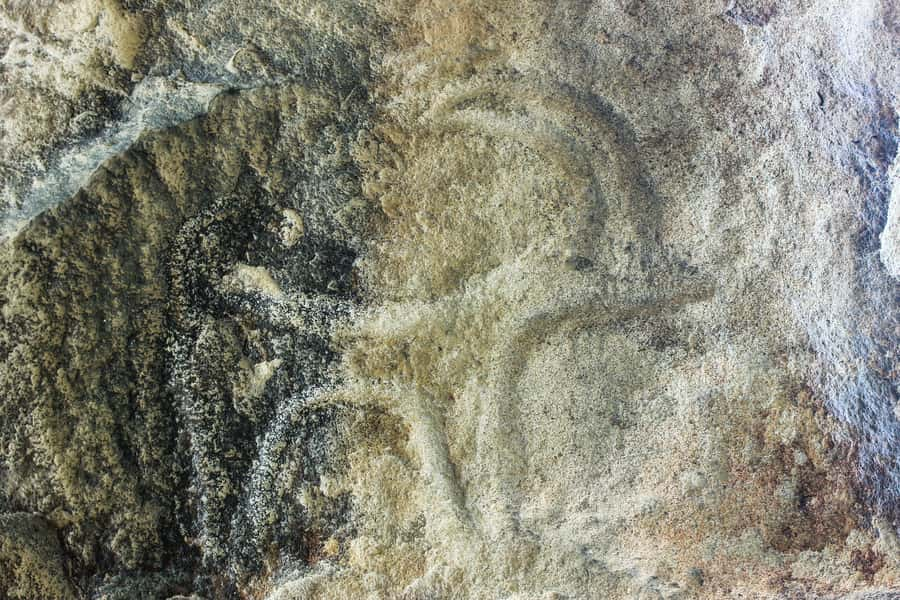
At the rock site, you see caves and more than 6,000 drawings made across different periods. The carvings show aspects of early life, including people, animals, customs, and ceremonies. Scientists began finding and studying them in the 1930s, and they remain one of the clearest ways to connect the present region with its earliest inhabitants.
This is not a polished archaeological park where every detail is obvious at first glance. You will get more from the stop if you stay close to the guide and ask what to look for. The guide’s explanation turns scattered lines and figures into evidence of how people saw their world.
Wear proper walking shoes. The tour information specifically recommends comfortable footwear, and that advice is worth taking seriously because the outdoor section includes rocks and uneven ground. Bring water, sunscreen, and a camera. The site is open and exposed, so practical preparation makes a real difference.
Gobustan suits anyone interested in early human culture, archaeology, or unusual scenery. If you prefer a short photo stop with no walking, this section may feel more demanding than expected.
Mud volcanoes bring geology close to your feet
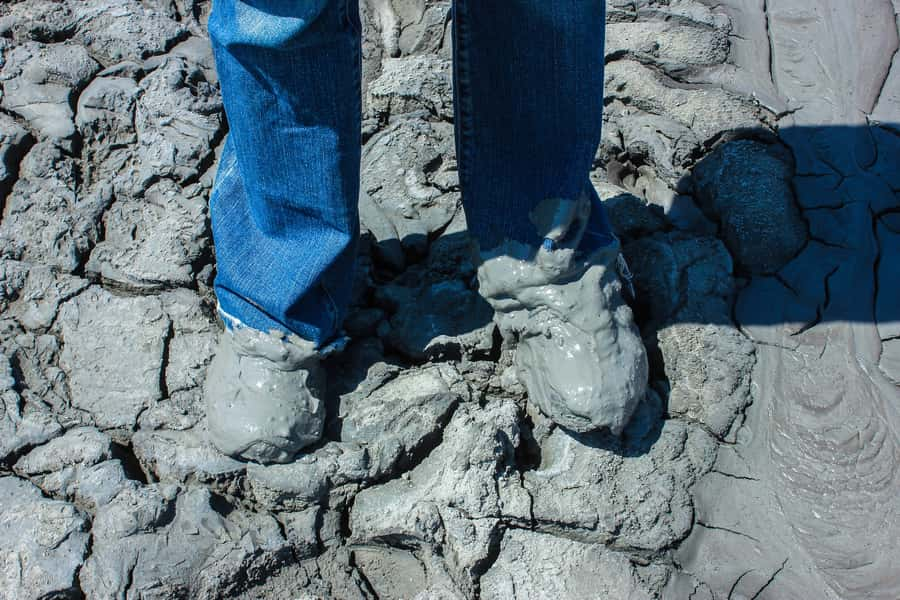
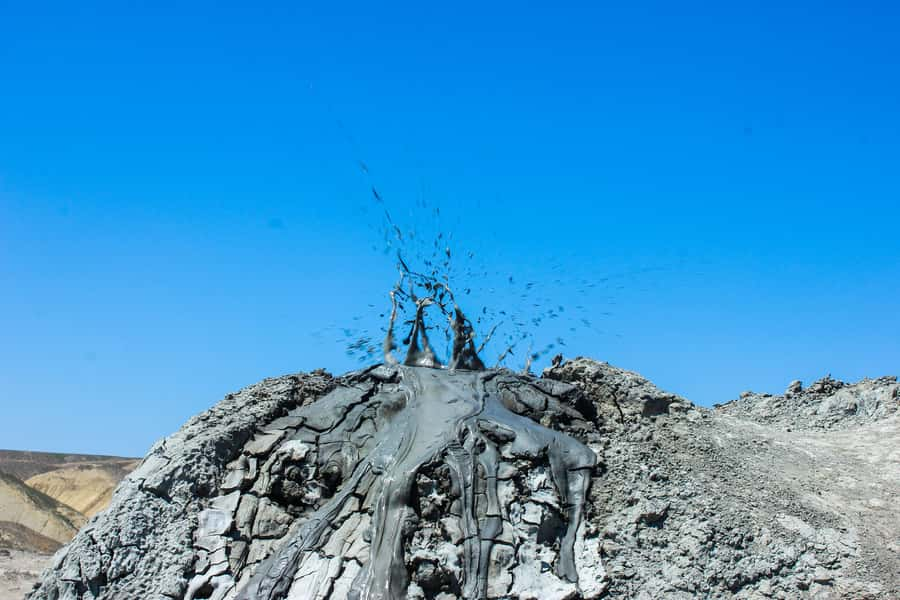
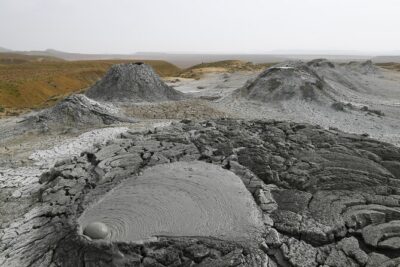
Azerbaijan has about 350 of the world’s roughly 800 mud volcanoes, making this one of the defining natural features of the country. These are not the same as fiery lava volcanoes. They push mud, gas, and other material toward the surface, creating low craters and bubbling formations.
The tour allows about 40 minutes here. You can climb active mud volcanoes and look closely at the craters. That direct access is the appeal. You are not simply viewing a distant mountain from a roadside pullout.
The mud and volcanic clay have been used as raw material in chemical and construction work, as well as in pharmacology. The supplied information also notes traditional and medical uses connected with the nervous system, skin conditions, and rheumatism. Treat those statements as part of the site’s local context, not as medical advice or a reason to apply anything to your skin.
This is one of the tour’s most memorable stops, but it has clear limits. Ground conditions can be rough, and the tour is not suitable for wheelchair users. Stay aware around active craters, follow the guide, and do not assume the area has the smooth paths or facilities of a formal city attraction.
The separate entry fee is listed as $9. Since that charge is not included in the tour price, carry room in your budget for it.
More mud volcano runs across the Absheron:
- Baku:Gobustan Mud Volcanoes Temple & Entry tickets included
★ 4.8 · 178 reviews - Baku: Half-Day Gobustan and Mud Volcanoes Tour with Entry
★ 4.7 · 144 reviews - Mud Volcanoes & Gobustan tour (Group & Private)
★ 4.5 · 59 reviews - Gobustan & Mud Volcanoes Tour (tickets included)
★ 5.0 · 58 reviews
Lunch breaks up the long morning
After the first part of the outing, you stop for lunch in the city center. Lunch is not included, so you pay for your own meal.
This break matters because Gobustan and the mud volcanoes come before the fire sites, and the full day runs for nine hours. It gives you time to pause before the second half rather than moving straight from one attraction to the next.
The information does not specify a restaurant or a set menu, so you should treat lunch as an independent expense and not expect it to be part of the package. If you have special dietary needs, confirm arrangements before booking.
Ateshgah explains the sacred fire tradition
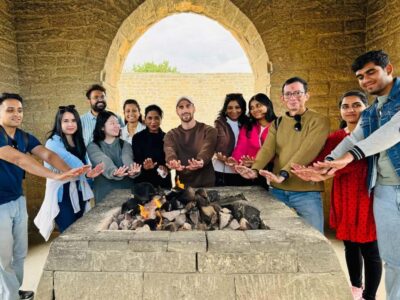
The Ateshgah Fire Temple is the cultural heart of the second half of the tour. The site was used as both a Hindu and Zoroastrian place of worship, with the first recorded mention dating to the seventh century AD.
You see a central fire area, rooms for worshippers, and historical objects found during archaeological work. The cells help you picture the site as a place where people stayed, prayed, and followed religious practices, rather than as a monument built only for modern sightseeing.
The connection with fire is tied to the region’s natural gas. Long before modern explanations were common, flames emerging from the ground could appear sacred or supernatural. Ateshgah lets you examine that belief through a built religious site, after seeing the region’s geology at the mud volcanoes.
The guided visit lasts about an hour. This is a place where explanation adds real value, especially if you know little about Zoroastrianism or the links between the temple and visitors from India. The separate admission fee for Ateshgah and Yanardag is listed together as $9.
Yanardag keeps the fire theme alive
Yanardag means Burning Mountain, and the name is direct. A natural gas flame burns on a hillside of the Absheron Peninsula near Baku. The fire has continued since ancient times, creating a striking final stop after the temple.
The visit lasts around 40 minutes. You are there to see the flame, understand its natural cause, and hear why the place has drawn religious pilgrims from Iran and India. It is a simpler stop than Ateshgah, but the contrast makes it effective. Ateshgah shows how people built a place around sacred fire. Yanardag shows the fire itself in the open air.
Do not expect a large archaeological complex here. The attraction is focused and visual. That can be a strength late in a long day, since you do not need another large museum or extended walk.
Yanardag also completes the tour’s main idea. Gobustan shows early human expression, the mud volcanoes show underground forces, Ateshgah shows religious response, and Yanardag brings natural fire into view.
The guide can make the difference
The strongest praise connected with this experience centers on the English-speaking guide. One highly rated account specifically names Mushfiq and credits him with a strong command of Azerbaijani history, clear explanations, and genuine enthusiasm for the places visited.
You should not assume Mushfiq will be assigned to every departure, but his name is useful when you contact the provider. Ask which guide is available for your date if that matters to you. The tour includes an accredited English-speaking guide, and it is a private group, so you have a better chance to ask detailed questions than on a large coach outing.
Mushfiq also helped show a group good places for dinner in Baku and escorted them toward the Old Town after the tour. That kind of extra local help is not formally promised, so treat it as a pleasant possibility rather than part of the package.
The overall rating is five out of five from three listed ratings. That is encouraging, though the sample is small. The praise focuses on good English, historical explanation, and delivering the day as planned.
What the $99 price really covers
The advertised price is $99 per person. For a private nine-hour day with hotel pickup, private transport, an accredited guide, and four major stops, that can be fair value, especially if you are traveling with others and can share the private-group cost.
The listed admission charges add up to $24:
- Gobustan: $6
- Mud volcanoes: $9
- Ateshgah and Yanardag: $9
That makes the known cost at least $123 per person before lunch and personal expenses. Compare that full figure with the price of arranging transport to all four areas separately. The value comes from convenience, the guide, and the amount covered in one day, not from the headline fare alone.
The tour includes pickup and drop-off in Baku, private transportation, the guide, and visits to all four sites. It does not include lunch, entry tickets, or personal expenses. Plan for water, sunscreen, comfortable shoes, and a camera as well.
Free cancellation is available up to 24 hours in advance for a full refund, and you can reserve now and pay later. Those terms help if your Baku schedule is still changing.
Who should book this experience
I would choose this tour if you have one full day in Baku and want the major sights outside the city without managing several transfers. It is particularly good for people who enjoy archaeology, unusual geology, religious history, and guided interpretation.
It also suits a private group that wants flexibility and direct contact with an English-speaking guide. Families with older children may find the variety appealing, though the outdoor rock and mud volcano sections require sensible footwear and steady walking.
I would think twice if you use a wheelchair, dislike uneven ground, or want a relaxed half-day outing. Nine hours is substantial, and the mud volcano stop is not designed for limited mobility. You also need to accept extra charges for entrance tickets and lunch.
Should you book this Baku day trip?
Book it if you want one efficient day that explains why Azerbaijan is associated with ancient people, bubbling mud, and sacred fire. Gobustan and Ateshgah provide the most historical depth, while the mud volcanoes and Yanardag supply the unusual visual moments.
Before paying, confirm the guide assigned to your date, ask about pickup timing, and budget at least $24 more for admissions. If those details work for you, this private tour offers a strong mix of convenience and substance, with enough variety to justify the long day.
FAQ
How long does the tour last?
The tour lasts nine hours, including travel between Baku and the attractions.
Where does the tour start?
Pickup is provided from a hotel or another location in Baku.
Where does the tour finish?
The tour returns to Baku and ends at Fountain Square.
Is transportation included?
Yes. Private transportation is included, along with pickup and drop-off in Baku.
Is the tour private?
Yes. The group type is listed as a private group.
What language does the guide speak?
The live tour guide speaks English.
Are entrance tickets included?
No. Gobustan is listed at $6, the mud volcanoes at $9, and Ateshgah and Yanardag together at $9.
Is lunch included?
No. Lunch is not included, and you pay for it separately.
What should I bring?
Bring comfortable shoes, a camera, sunscreen, and water.
Can wheelchair users join?
The activity is not suitable for wheelchair users.
Can I cancel for a refund?
Yes. You can cancel up to 24 hours in advance for a full refund.
Can I reserve without paying immediately?
Yes. The reserve-now, pay-later option lets you hold your place without paying on the day of booking.
More Ateshgah and Yanar Dag Trips
- Baku: Gobustan, Volcanoes, Fire Temple and Yanardag Day Trip
★ 4.7 · 433 reviews - Gobustan & Mud, Fire Temple, Burning Mountain (Group & Private)
★ 4.5 · 418 reviews - Gobustan-Mud Volcan-Fire Temple and Mountain Tour/Entrance inc
★ 5.0 · 267 reviews - Gobustan, Mud volcanoes, Fire temple, Fire mountain PRIVATE TOUR
★ 5.0 · 47 reviews
Just added around Baku
- Wine Tour Baku★ 5.0 · 4 reviews
- Baku Sightseing Tour★ 5.0 · 12 reviews
- Traditional Azerbaijani Cuisine Workshop★ 5.0 · 5 reviews
- The Magnificent Baku Night Tour★ 5.0 · 3 reviews
- Day Trip in Baku★ 5.0 · 6 reviews
- Guided Old City Tour on Baku’s Timeless Charm★ 5.0 · 4 reviews
- Baku Old City Tour★ 4.5 · 12 reviews
- Old City Walking Tour★ 5.0 · 6 reviews
Gobustan Tours, compared.
Gobustan, Mud Volcano, Fire Mount, Temple Lunch Entry
Read our review →
BEST Gobustan, Volcanoes & Absheron Fire Tour (Group or Private)
Read our review →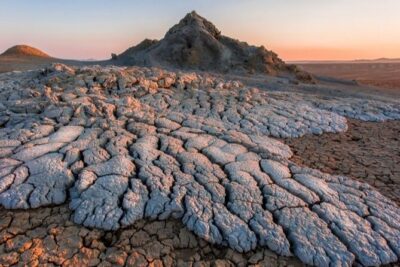
Gobustan, Volcanoes, Fire Temple and Yanardag Day Trip
Read our review →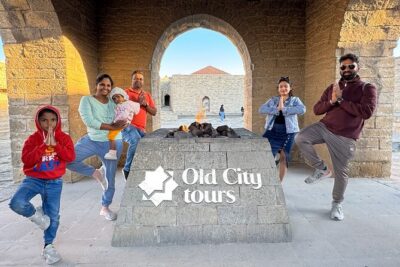
Gobustan & Mud, Fire Temple, Burning Mountain (Group & Private)
Read our review →
Mud Volcan-Fire Temple and Mountain Tour/Entrance inc
Read our review →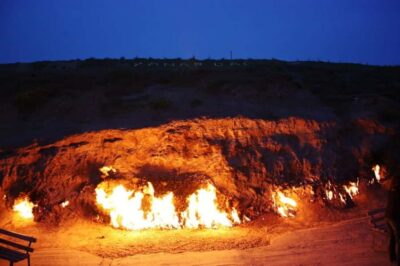
Gobustan Mud Volcanoes Temple & Entry tickets included
Read our review →Browse the lists this tour appears in