
Reviewed · OLD CITY TOURS
Azerbaijani Cooking Class & Old City Tour & Lunch
The best part of this experience comes when sightseeing gives way to food. After walking Baku’s old lanes, you sit in a traditional restaurant and make dolma by hand, shape qutab, and stir dry mint into ayran. I like that the meal is not simply placed in front of you. You help prepare it, then eat what you made.
I also like the mix of major sights and small details, from the Maiden Tower and Shirvanshahs Palace to samovar tea, mulberry jam, and local sweets. Guide Aishna has been praised for making the history tour light and informative, while Leman and the cooking team add a warm, personal touch. The main consideration is timing: three hours is short, so the Old City walk is an introduction rather than a full historical tour.
Key points to know before booking
- Cook three Azerbaijani staples: Prepare dolma, qutab, and ayran, then sit down to eat them with salad and bread.
- Walk Baku’s UNESCO-listed Old City: See the Maiden Tower, Juma Mosque, Shirvanshahs Palace, caravanserais, and narrow medieval lanes.
- Finish with a real tea ritual: Samovar tea comes with local sweets and homemade jams, including mulberry jam.
- Expect a compact morning-to-afternoon plan: The tour runs from about 11:00 AM to 2:00 PM.
- Choose your language and group style: English, Russian, and Turkish guides are available, with private and small-group options.
- Wear sensible clothes: Comfortable shoes matter because the first part involves walking through the Old City.
A three-hour taste of Baku
This tour works because it joins two things that belong together in Azerbaijan: the Old City and the table. You begin with stones, towers, courtyards, and legends. You finish with grape leaves, flatbread, yogurt, tea, and jam.
The meeting point is in Baku’s Old City, with hotel pickup available from hotels in Baku if you select that option. The route then moves on foot through the historic center before settling into a local restaurant for roughly two hours of cooking, eating, and tea.
You should think of this as a focused introduction rather than a full-day cultural program. The sightseeing section covers several important places, but some stops are brief. The payoff is the cooking class, where you are doing something with your hands instead of only listening to explanations.
More ways to walk the Old City:
- Baku Oil Heritage & Old Town Walking Tour
★ 5.0 · 232 reviews - Baku Walking Tour (Old City)
★ 5.0 · 127 reviews - Baku Old Town Walking Tour with a Local
★ 5.0 · 64 reviews
Starting among Baku’s medieval lanes
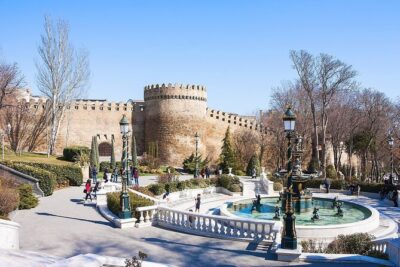
The walking portion begins near the complex associated with the khans of Baku. From there, the guide leads you through the Old City, where narrow lanes and old stone buildings make the setting feel very different from modern Baku.
The first few stops are close together, which helps the tour fit its three-hour schedule. You will pass the Bukhara Caravanserai, a useful reminder of the Old City’s role in trade and lodging. It is listed as a short photo and sightseeing stop, so expect a quick look rather than an extended visit.
This part is best with a guide who can explain what you are seeing without turning every doorway into a lecture. Aishna has been specifically praised for sharing plenty of information while keeping the walk easy and light. That balance matters, especially if you are saving your energy for the cooking class.
Maiden Tower and the Old City’s landmarks
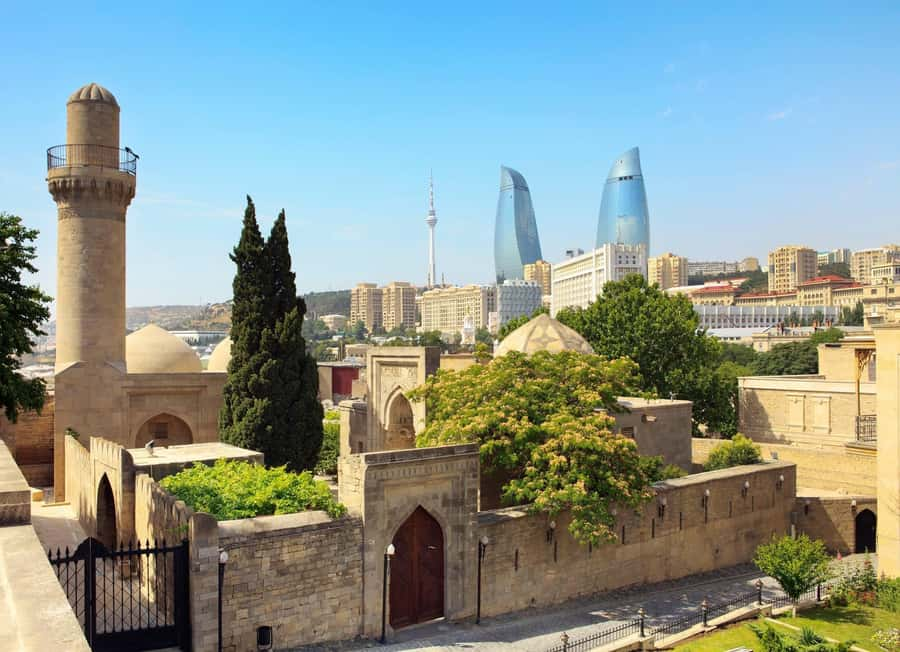
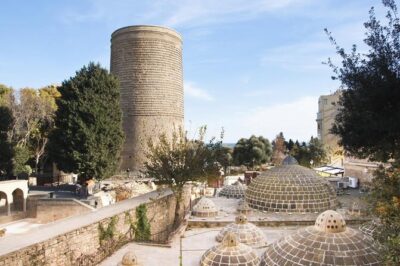
The Maiden Tower is the most recognizable sight on the route. You get a guided explanation, time for photographs, and some free time at the stop. Its legends and historical importance are part of the appeal, though the tour does not promise a long interior visit or a detailed architectural study.
The tower is also a good place to remember that Baku’s Old City is not a museum set apart from daily life. The lanes around it, the old walls, and the steady movement through the quarter give you a sense of how the center is arranged.
Next comes Juma Mosque. This stop adds a religious and architectural note to the walk, and the plan includes a visit, guided information, and free time. Dress comfortably and respectfully, as you would for any religious site, though the supplied details do not specify a formal dress code.
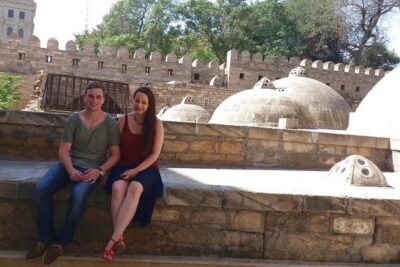
The route also passes other historic mosques, caravanserais, and alleyways. These smaller pieces are important because they join the headline sights together. You are not simply jumping from one famous building to another. You are walking through the old quarter between them.
The Palace of the Shirvanshahs
The Palace of the Shirvanshahs is the major historical stop after the Maiden Tower. It was the former royal residence, and its courtyards and halls give the tour a grander scale than the surrounding lanes.
You receive a guided visit and free time for sightseeing and photographs. Since the whole walking section is limited, the amount of time at the palace may feel brief if you enjoy detailed history. Still, it gives you a clear look at one of Baku’s most important architectural sites without taking over the day.
I would not book this experience as your only Old City visit if you want to study every room, inscription, and exhibit. I would book it if you want the main landmarks explained, then prefer to spend the rest of your morning doing something social and practical.
More Azerbaijani food tours in Baku:
- Baku Wine Crawl for Small Groups
★ 5.0 · 19 reviews - Taste of Azerbaijan: Ultimate Cuisine Tour with Snacks and Dinner
★ 4.5 · 19 reviews - Eat Like a Local: Baku Dining & Wine Tasting Experience
★ 4.5 · 15 reviews - Azerbaijani Cuisine Tour
★ 4.5 · 14 reviews
Turning grape leaves and dough into lunch
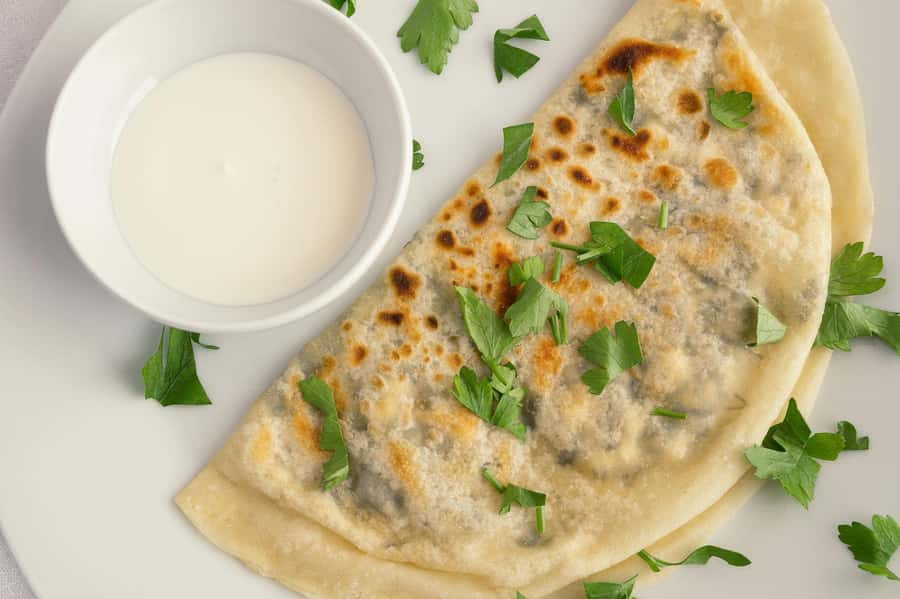
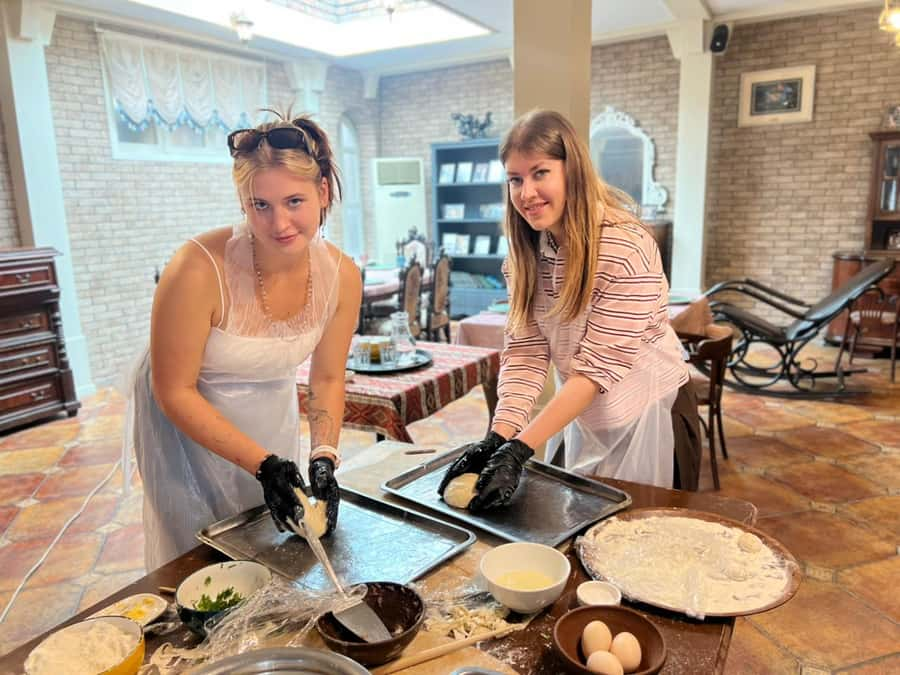
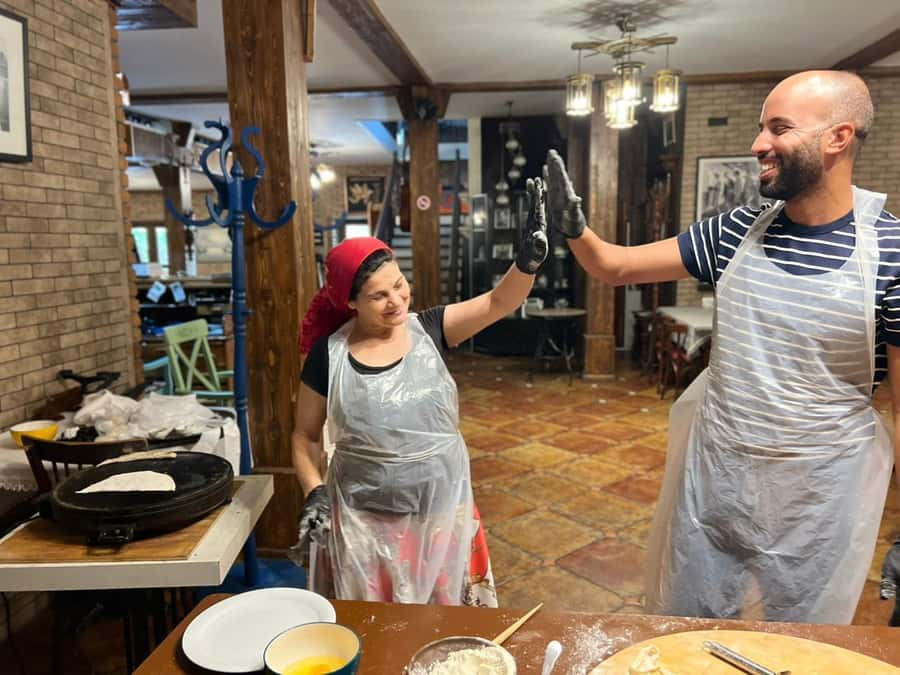
The food portion takes place in a traditional Old City restaurant. A local chef guides the class, and the ingredients and equipment are included. The hands-on format is the point, so you should expect to roll, shape, mix, and prepare the food yourself.
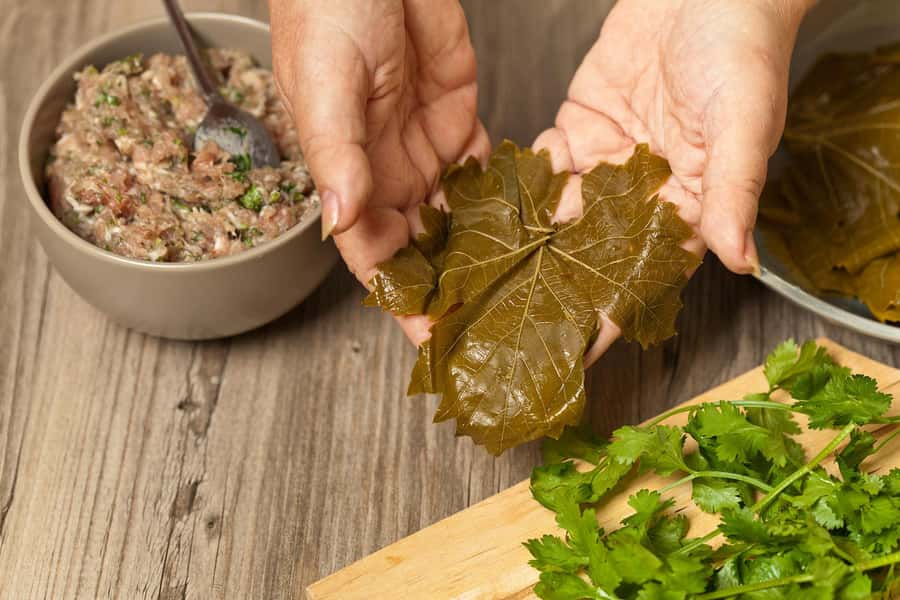
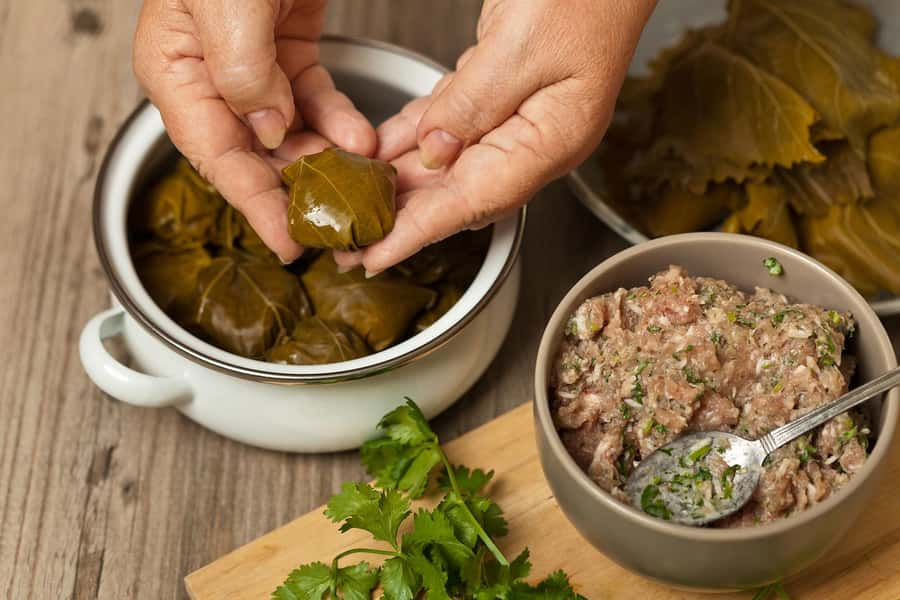
Dolma is the first major lesson. You prepare vine leaves stuffed with a savory mixture and roll them by hand. This is a simple task to describe but a useful way to connect with the food. You see how the dish is formed rather than treating it as an anonymous plate at lunch.
You also make qutab, a thin flatbread filled with greens or meat and cooked on a griddle. This gives the class a different rhythm from dolma. The dough needs shaping, the filling needs spreading, and the bread is cooked rather than simply assembled.
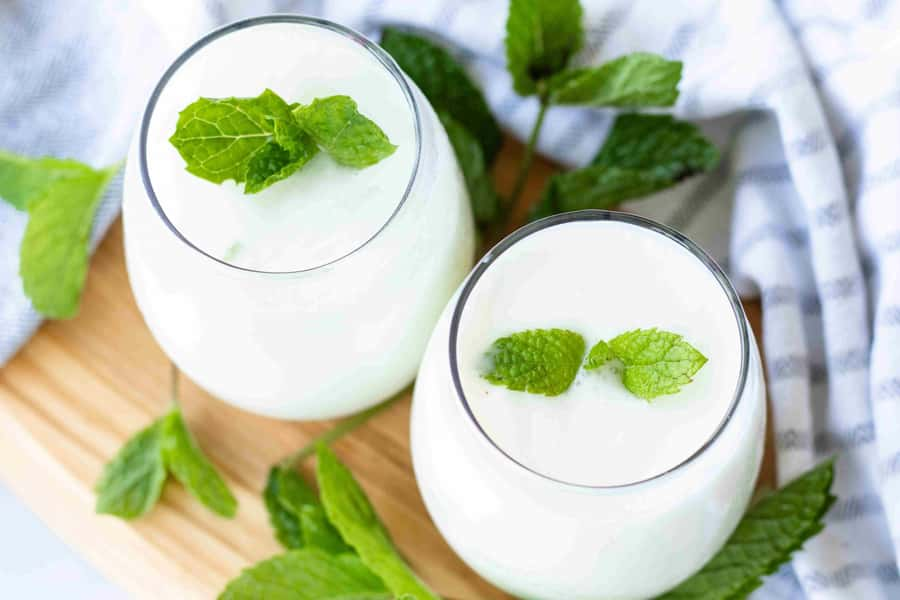
Finally, you prepare ayran with an Azerbaijani twist: dry mint. It is a refreshing yogurt drink and a nice counterpoint to the warmer, heavier parts of the meal.
The class has an appealing home-style quality. The cooking is not presented as a polished restaurant demonstration where you only watch. You take part, then eat the results. A local older woman is described as leading the cooking instruction with a cheerful, welcoming manner, which adds the kind of human contact that a standard restaurant meal cannot provide.
One useful detail from the experience is that the class can include more than the three headline dishes. The supplied account also mentions learning to make tandir. Since the exact class menu can vary, I would treat dolma, qutab, and ayran as the core promise, with tandir as a possible additional preparation rather than a guaranteed separate course.
Sitting down to the meal you helped make
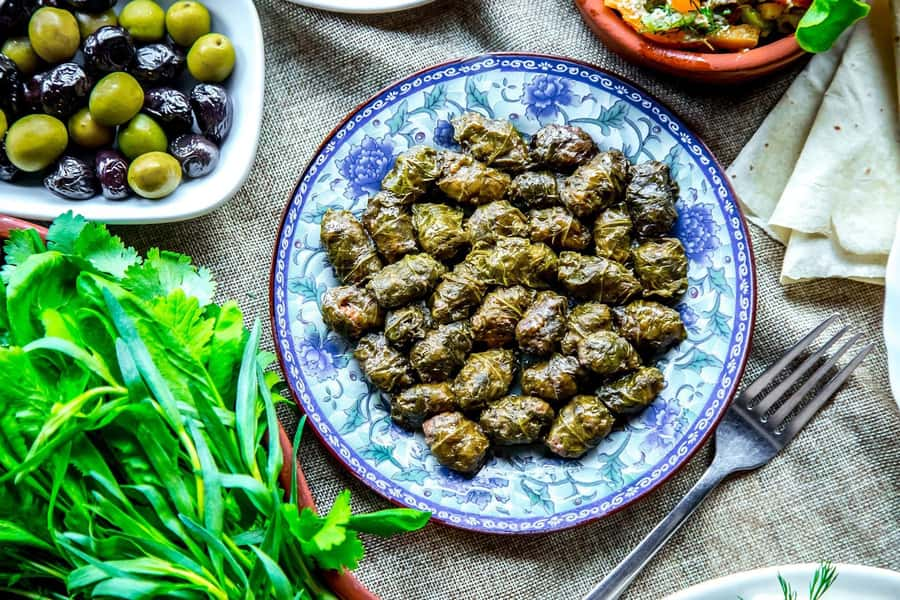
After the preparation, you sit down for lunch. The dishes you made are served with fresh salads and bread, so the meal is more than a tasting portion.
This is where the price begins to make sense. At $59 per person, you are paying for a guide, a historical walk, ingredients, kitchen equipment, instruction, lunch, and a tea service. It is not the cheapest way to see the Old City, but it combines a guided cultural visit with a full food activity in a single three-hour booking.
The value is strongest if you would otherwise pay separately for a walking tour and a cooking class. It is also good for people who want a meal with context. You learn what you are eating, help prepare it, and have a guide explain the place where you are spending the first part of the day.
The value is less clear if you only want a fast Old City highlights walk or if you already have several food experiences planned. Three hours leaves little room for a long, slow meal or an in-depth palace visit.
Samovar tea, sweets, and homemade jam
The final part is a traditional tea service. Samovar tea is served with local sweets and homemade jams, including mulberry jam. This is more than a small dessert add-on. Tea has a social role in Azerbaijani hospitality, and ending the class around a shared table gives the experience a calm finish.
The tea service also helps balance the practical work of the cooking class. You have finished the main meal, and now you can sit, talk, take photographs, and enjoy the slower side of the visit.
Leman has been noted for taking plenty of good photographs during the experience. That can be useful if you want a few pictures of the cooking process rather than only the usual Old City landmarks. Photography is not listed as a formal inclusion, so consider it a personal touch rather than a guaranteed service.
Timing, guides, and group choices
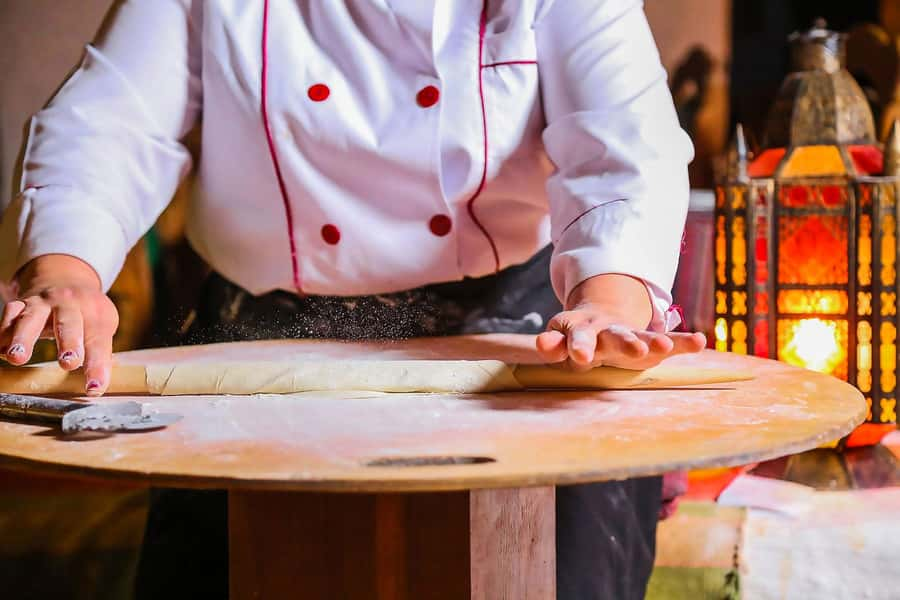
The tour begins at 11:00 AM and ends at about 2:00 PM. That timing makes it a practical choice for your first full activity of the day, especially if you want lunch included before an afternoon of independent sightseeing.
The walking section is not long enough to require serious hiking, but comfortable shoes are still important. Old City streets can be uneven, and you will be moving between several stops before sitting down.
English, Russian, and Turkish guide services are available. You can choose a private or small-group format. A private booking should give you more freedom to ask questions and set the pace, while a small group may be the better value if you like meeting other people during a cooking activity.
Hotel pickup is optional from hotels in Baku. The meeting point is in the Old City, so check your booking details carefully and do not assume pickup is included automatically.
The experience offers free cancellation up to 24 hours before the start time, and you can reserve now and pay later. Those policies are useful if your Baku plans are still moving around, but the more important practical choice is whether you want a private or shared format.
Who will enjoy this most
I would recommend this tour to a first-time Baku visitor who wants the main Old City sights without spending half a day on a formal history lecture. It is also a strong fit for anyone who plans trips around food and wants more than a restaurant meal.
Families and mixed-interest groups may find the format especially useful. One person can enjoy the history, another can focus on cooking, and everyone gets lunch at the end. The hands-on work also gives children and teenagers something active to do, though the supplied information does not state a minimum age.
Couples and small groups should consider the private option if conversation and a relaxed pace matter most. Solo visitors may prefer a small group because the cooking table naturally creates a shared activity.
I would be more cautious about booking it if your priority is detailed archaeology, long museum visits, or a slow culinary workshop focused on advanced techniques. The tour moves through many sights and then delivers a friendly, accessible class. It is not designed as a specialist course.
Is this Baku food and history tour worth booking?
Book it if you want one compact experience that covers Baku’s headline Old City sights and gives you a genuine role in making lunch. The strongest reasons are the combination of Maiden Tower, Shirvanshahs Palace, dolma rolled by hand, qutab cooked on a griddle, and samovar tea with jam.
The main trade-off is speed. You will see several important places, but you will not have unlimited time at any of them. At $59, the tour makes the most sense when you value the combined package of guiding, cooking, lunch, and tea rather than viewing it as a basic walking tour.
For many visitors, that is a fair exchange. You leave with a better sense of Baku’s old center, a meal you helped prepare, and a clearer idea of how Azerbaijani hospitality works at the table.
FAQ
Where does the tour begin?
The experience begins in Baku’s Old City. Optional pickup is available from all hotels in Baku city.
What time does the tour run?
It starts at 11:00 AM and ends at approximately 2:00 PM.
Which Old City sights are included?
The route includes the complex associated with the khans of Baku, Bukhara Caravanserai, Maiden Tower, Juma Mosque, and the Palace of the Shirvanshahs. You also pass historic mosques, caravanserais, and alleyways.
What dishes will I prepare?
The core cooking class includes dolma, qutab, and ayran with dry mint. The supplied information also mentions tandir as a possible dish prepared during the class.
Is lunch included?
Yes. You eat the dishes prepared during the class, served with fresh salads and bread.
What is included with the tea service?
The experience ends with samovar tea, local sweets, and homemade jams.
Which languages are available?
The live guide can conduct the experience in English, Russian, or Turkish. Private and small-group options are available.
More Hands-On Workshops in Baku
- Traditional Azerbaijani Cuisine Workshop
★ 5.0 · 5 reviews
Just added around Baku
- Wine Tour Baku★ 5.0 · 4 reviews
- Baku Sightseing Tour★ 5.0 · 12 reviews
- Traditional Azerbaijani Cuisine Workshop★ 5.0 · 5 reviews
- The Magnificent Baku Night Tour★ 5.0 · 3 reviews
- Day Trip in Baku★ 5.0 · 6 reviews
- Guided Old City Tour on Baku’s Timeless Charm★ 5.0 · 4 reviews
- Baku Old City Tour★ 4.5 · 12 reviews
- Old City Walking Tour★ 5.0 · 6 reviews
Old City Tours, compared.
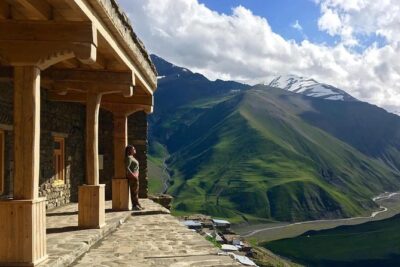
Guba Khinalug & Candy Cane Mountains tour (by Old City Tours)
Read our review →
Baku Old City Tour (officially by Old City Tours)
Read our review →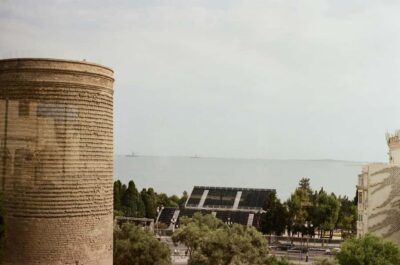
Baku Old City Wonders: A Walking Tour Through Time
Read our review →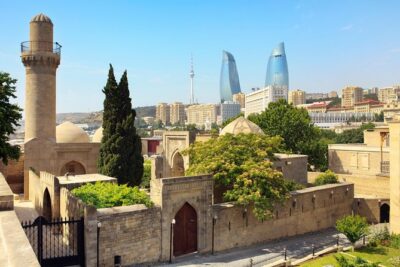
Browse the lists this tour appears in