
Reviewed · GOBUSTAN TOURS
From Baku: Gobustan Day Tour
Gobustan gives you two very different slices of Azerbaijan in one short outing: 20,000-year-old rock art and bubbling mud volcanoes. Ancient hunters, dancers, sailors, and workers appear on the stone, while the nearby Dashgil Group offers a strange reminder that this region is still geologically active.
I like the private format, the comfortable air-conditioned sedan, and the chance to ask questions without keeping up with a large group. I also like that the guides, including Habil, Karim, and Shbil, are praised for explaining Azerbaijan’s history and culture clearly. The main drawback is the tight four-hour schedule, especially if road conditions delay the mud volcano stop.
Key points to know before booking
- More than 6,000 petroglyphs: See images made from the Mesolithic period through the first century AD.
- A useful 3D museum stop: Twelve exhibition rooms and a 3D cinema help explain what you are seeing outdoors.
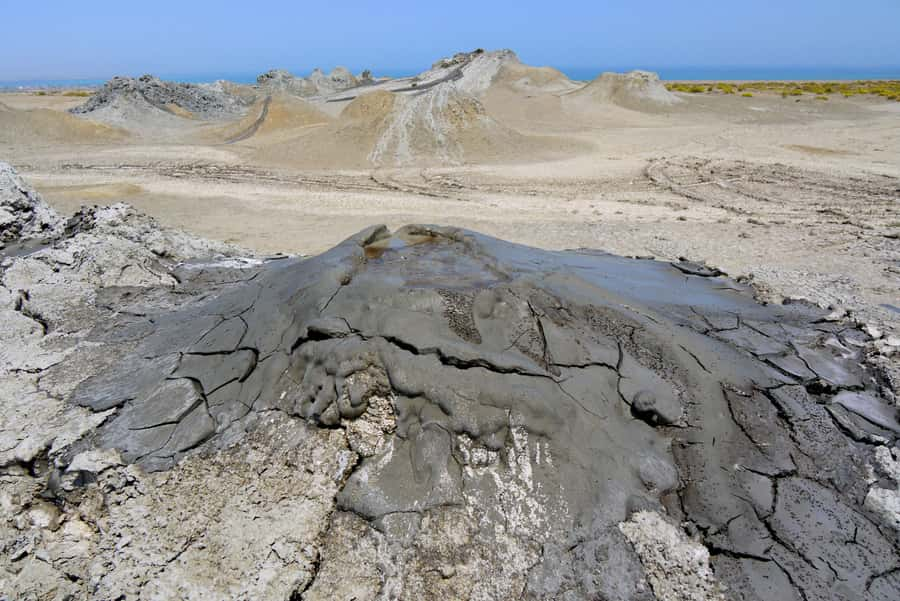
- Mud volcanoes add a geological twist: The Dashgil Group has a high concentration of active formations.
- Private hotel pickup in Baku: Transport, an English-speaking guide, and water are included.
- A four-hour outing: This is best treated as a half-day trip, not a full day away from the city.
- Entrance fees are extra: Add the museum and park admission costs to the advertised $58 price.
Why Gobustan is worth leaving Baku for
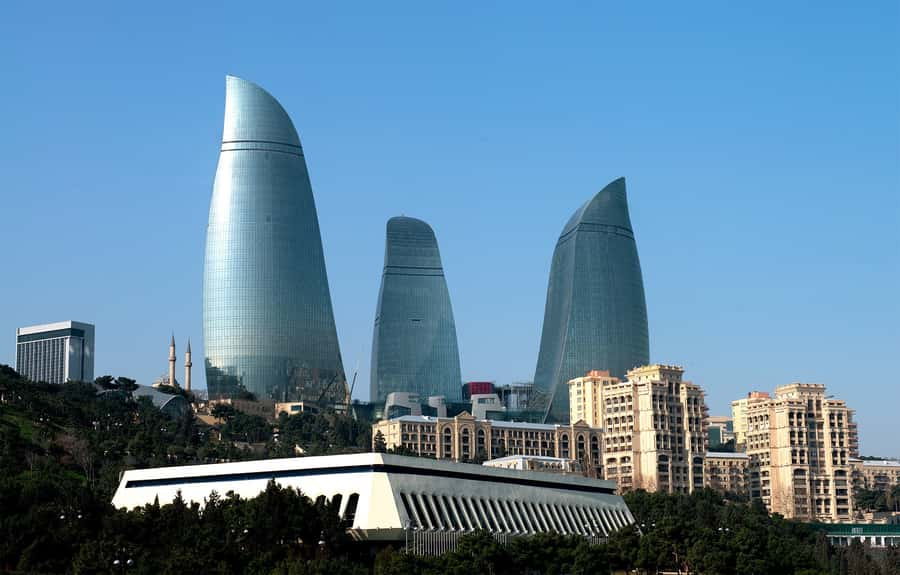
Baku is polished, urban, and full of grand stone buildings. Gobustan feels far removed from that city life. The name refers to narrow ravines, and the setting explains it: rough rock faces split into gullies and open onto dry ground where early communities left thousands of carved and painted scenes.
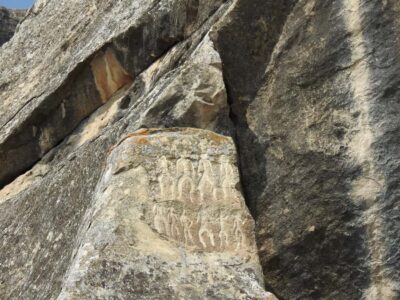
The appeal is not just age. These images give you clues about daily life. The oldest scenes show mountain goats, hunting, ritual dancing, and people carrying spears. Later images show battle scenes, group work, harvesting, and women beside hearths.
That shift matters. You are not looking at one frozen moment from prehistory. You are seeing evidence of changing customs, work, tools, and social life across a very long period.
Some drawings date back about 20,000 years. Others are from the first century AD. The site was first identified in the 1930s and is still being excavated, so Gobustan is both a museum and an active archaeological site.
I find the boats especially interesting. Images of vessels with oarsmen suggest that the people living here were sailors, not only hunters moving through the hills. The art also helps explain why Gobustan is more than a quick photo stop. It records how people used the area and how their lives changed.
More trips out to the Gobustan petroglyphs:
- Baku: Gobustan, Mud Volcano, Fire Mount, Temple Lunch Entry
★ 4.9 · 3,246 reviews - BEST Gobustan, Volcanoes & Absheron Fire Tour (Group or Private)
★ 5.0 · 1,254 reviews - Gobustan and Absheron tour (All inclusive)
★ 5.0 · 1,014 reviews
The 3D Bio Museum puts the carvings in context
The 3D Bio Museum is a smart first stop because the rock art can be difficult to read at a glance. Weathered lines and shallow carvings do not always reveal themselves immediately, especially when you are trying to understand what a scene shows.
Inside, a permanent exhibition fills 12 rooms. You can learn about Gobustan, compare it with other archaeological sites, and use the displays to identify the themes you later see on the rocks.
The 3D cinema adds an educational presentation to the visit. It is particularly useful if you are not familiar with prehistoric art or archaeological fieldwork. Instead of simply walking past carved stone, you get a basic guide to the people, symbols, and time periods involved.
I would not treat the museum as filler. It helps you get more from the outdoor section. Without some explanation, you might see lines and shapes but miss the hunting scenes, ritual activity, or evidence of boats.
The museum is also a practical shelter if the weather turns poor. The tour runs rain or shine, although bad conditions can delay the mud volcano portion.
Reading the open-air rock museum
At the outdoor site, your guide can help point out the different styles and subjects. The setting itself is part of the experience. Rock walls recede into narrow ravines, and the uneven ground makes comfortable shoes important.
Look closely rather than expecting huge, sharply colored paintings. The petroglyphs are ancient and weathered. Their value comes from the scenes they preserve, not from polished presentation.
The earliest images focus on animals, spears, hunting, and group movement. Later carvings show a wider range of social activity. You may see references to work, harvests, conflict, and domestic life.
The Roman inscription at the foot of Mount Boyuk-dash adds another layer. It records the presence of Roman legions near Baku. That single inscription links the much older rock art to a later period of regional contact and military movement.
I like the way Gobustan brings several time periods together in one visit. You start with prehistoric scenes, then find evidence of Roman soldiers, and finally head toward mud volcanoes that belong to the area’s continuing geology.
The site is still being studied. More than 100,000 artifacts have been associated with the area, along with ancient dwellings. You will not see all of those objects during this short visit, but they explain why Gobustan has such importance beyond the visible carvings.
The Dashgil mud volcanoes are the unusual finale
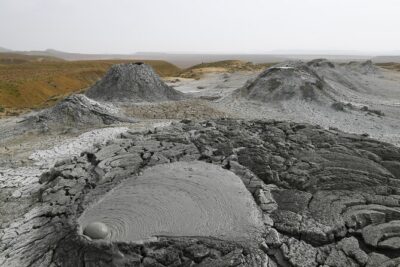
Azerbaijan is known for its large number of mud volcanoes. About 350 of the world’s roughly 800 mud volcanoes are found in Azerbaijan, and the Dashgil Group, east of the Gobustan museum, has a high concentration of active examples.
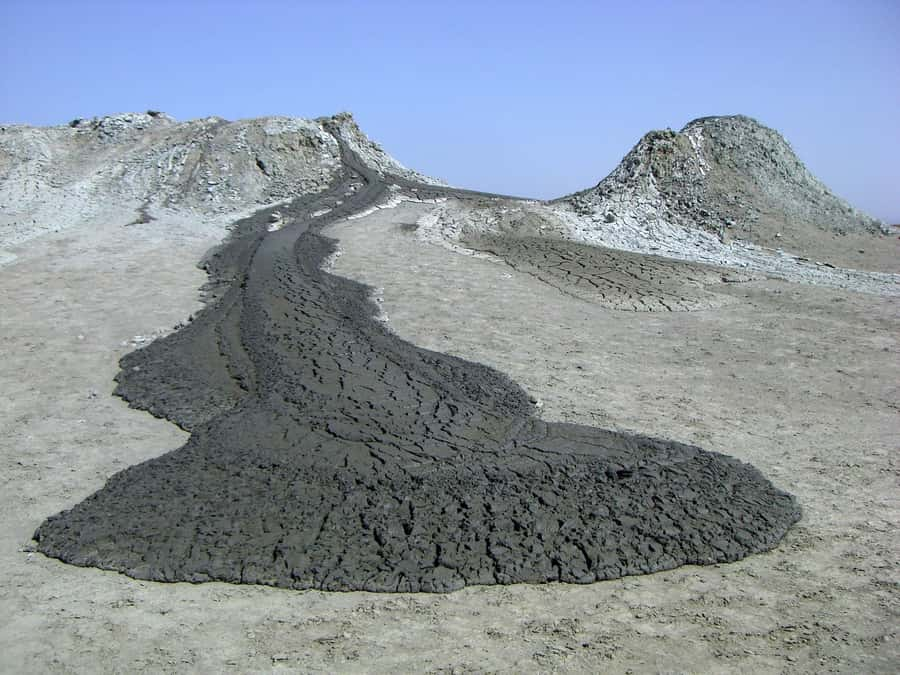
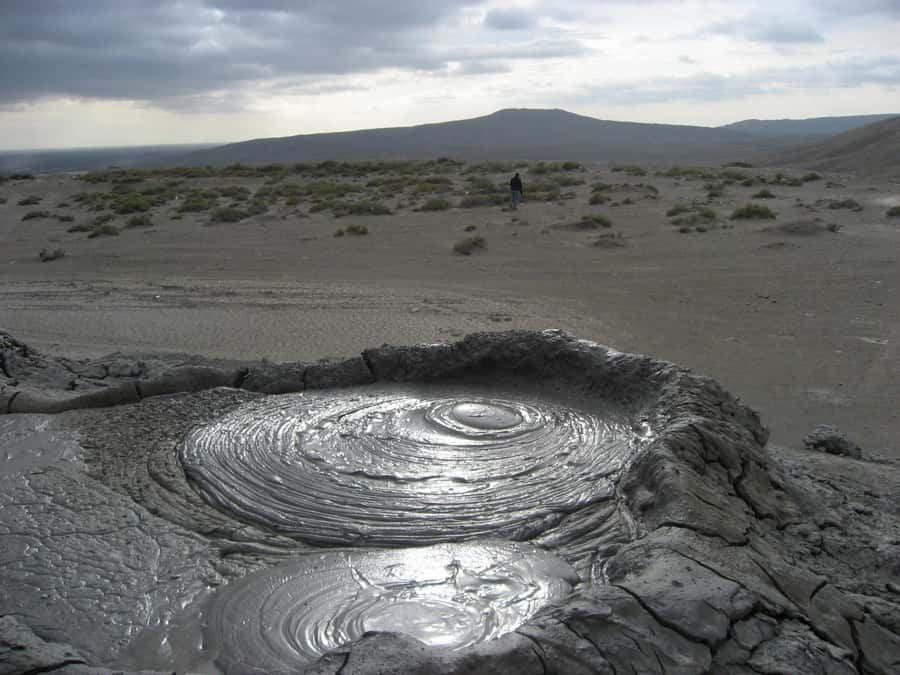
These are not ordinary volcanoes with flowing lava. They produce mud and gases, creating low, raw-looking formations that can bubble or release material. The sight is less dramatic than a mountain eruption, but that is part of its appeal. You are seeing a curious geological feature close to the archaeological site.
The condition of the road and the weather can affect this part of the trip. The mud volcano stop may be delayed during bad weather, so keep your schedule flexible after returning to Baku.
I would also follow the guide’s instructions closely. The information provided does not promise a particular level of activity on the day you visit, so do not book this expecting a guaranteed eruption or a fixed display.
The mud volcanoes work best as a contrast to Gobustan. The petroglyphs show how people adapted to this region. The volcanoes show the physical forces beneath it. Together, they make the outing feel broader than a standard archaeological visit.
A few more Baku days to weigh up
- Baku: Gobustan, Volcanoes, Fire Temple and Yanardag Day Trip
★ 4.7 · 433 reviews - Gobustan & Mud, Fire Temple, Burning Mountain (Group & Private)
★ 4.5 · 418 reviews - Baku: Gobustan Absheron Tour Entry Tickets included
★ 4.9 · 329 reviews - Gobustan-Mud Volcan-Fire Temple and Mountain Tour/Entrance inc
★ 5.0 · 267 reviews
What the private transport adds
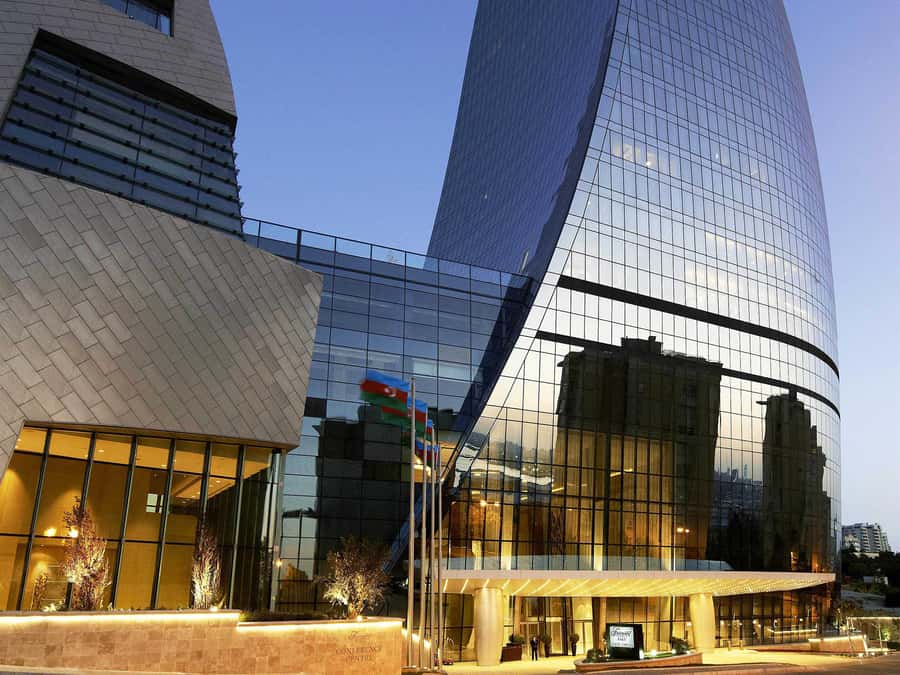
Pickup and drop-off are available from hotels and apartments in Baku. You wait in the lobby about 10 minutes before the scheduled pickup, and the driver carries a sign with your last name. Drivers wait no longer than five minutes after the planned pickup time, so punctuality matters.
Transport is in a comfortable sedan, with water provided. A clean, air-conditioned car can make a real difference on a short trip outside the city, particularly during hot weather.
The private group format is another advantage. You can ask the guide to explain a carving again, spend longer with a display, or move on when you have seen enough. The tour is conducted in English.
Several guides have received strong praise for their approach. Habil is described as helpful, generous, and particularly good at explaining local history and culture. Karim is noted for being kind, entertaining, and willing to help arrange an unusual mud-volcano bathing experience. Shbil is also praised for clear explanations and a pleasant manner.
Those details suggest that the guide can shape the day. This is not a trip where transportation alone is enough. Gobustan needs interpretation, and a good guide helps you see connections between the images, archaeology, and Azerbaijani culture.
Is four hours enough?
Four hours is enough for the main highlights, but you should set realistic expectations. You can visit the museum, walk through the rock-art area, see the Roman inscription, and continue to the mud volcanoes.
You will not have the same amount of time for slow photography, extended study, or a long meal. Food is not included, and the schedule is built around sightseeing rather than a restaurant stop.
The short duration is useful if you are staying in Baku and want to keep part of the day free. You can combine the outing with city sightseeing, provided you allow room for traffic and weather-related changes.
The phrase day tour may sound longer than the actual program. I would think of this as a private half-day excursion. That makes the $58 price easier to judge: you are paying for a guide, private transport, hotel pickup and return, and water, but not for meals or entrance tickets.
For a solo visitor, couple, or small private party, that can be a fair arrangement. You are not paying for a full day of touring, and you should budget separately for admission fees. The value rests mainly in the guide and transport, not in included attractions or meals.
Practical details that affect your visit
Wear comfortable shoes. The outdoor site includes uneven ground, ravines, and rocky surfaces, so this is not a good outing for flimsy footwear.
Leave large bags and luggage behind. They are not allowed on the tour, and a sedan has limited space.
The experience is not suitable for wheelchair users, pregnant women, or people with back or heart problems. The outdoor terrain and transport arrangements are not designed for those needs.
Bring a flexible attitude toward the mud volcano stop. The tour operates in rain or sun, but poor weather can delay that section. If the volcanoes are your main reason for booking, avoid planning an important fixed appointment immediately afterward.
Cancellation is free up to 24 hours before the start time, and you can reserve now and pay later. That is useful if your Baku schedule may change, though it does not remove the need to check the available starting times.
Who will get the most from this tour
I would recommend this trip to anyone interested in archaeology, early human culture, or unusual geology. It is especially useful if you want a guided introduction rather than trying to interpret the carvings alone.
It suits visitors who prefer a private group and want hotel pickup. The sedan and air conditioning also make it a more comfortable choice than arranging separate transport yourself.
Families with older children may find the mix of rock art, Roman evidence, museum displays, and mud volcanoes more engaging than a single historical site. The tour is less suitable for very young children if they struggle with rocky walking or a short, tightly timed itinerary.
You should also consider it if you have limited time in Azerbaijan. Gobustan is about 50 to 60 kilometers from Baku according to the tour information, making it a manageable excursion from the capital.
I would skip it if your priority is a slow archaeological field visit, a long outdoor hike, or a full meal-centered day. The format is efficient and informative, but it does not offer much spare time.
Should you book this Gobustan tour?
Book it if you want the easiest way to combine ancient petroglyphs and mud volcanoes from Baku. The private sedan, hotel pickup, English-speaking guide, and short duration make it practical, while the museum gives needed context for the outdoor carvings.
Before booking, remember that entrance fees and food are extra, and the mud volcano stop can be delayed by poor weather. If you are comfortable with uneven ground and a compact schedule, this is a strong half-day choice. The guides Habil, Karim, and Shbil have all been singled out for friendly service and clear explanations, which matters at a site where interpretation turns faded marks into a human story.
FAQ
How long is the Gobustan tour?
The tour lasts four hours.
What is the tour price?
The listed price is $58 per person.
Is hotel pickup included?
Yes. Pickup and drop-off are available from all hotels and apartments located in Baku.
What language does the guide speak?
The live tour guide speaks English.
Is this a private tour?
Yes. The tour is operated for a private group.
What transport is used?
Transport is provided in a comfortable sedan.
Are entrance fees included?
No. Entrance fees are not included in the tour price.
Is food included?
No. Food and personal expenses are not included.
What should I bring?
Bring comfortable shoes. Large bags and luggage are not allowed.
Can I cancel for a refund?
Yes. You can cancel up to 24 hours in advance for a full refund.
Just added around Baku
- Wine Tour Baku★ 5.0 · 4 reviews
- Baku Sightseing Tour★ 5.0 · 12 reviews
- Traditional Azerbaijani Cuisine Workshop★ 5.0 · 5 reviews
- The Magnificent Baku Night Tour★ 5.0 · 3 reviews
- Day Trip in Baku★ 5.0 · 6 reviews
- Baku Old City Tour★ 4.5 · 12 reviews
- Guided Old City Tour on Baku’s Timeless Charm★ 5.0 · 4 reviews
- Old City Walking Tour★ 5.0 · 6 reviews
Gobustan Tours, compared.
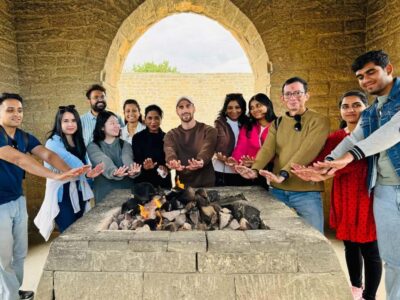
Gobustan, Mud Volcano, Fire Mount, Temple Lunch Entry
Read our review →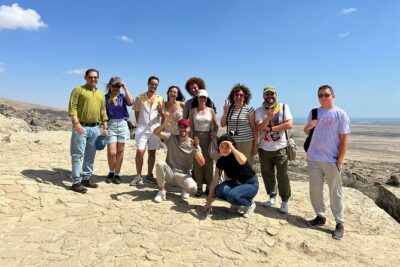
BEST Gobustan, Volcanoes & Absheron Fire Tour (Group or Private)
Read our review →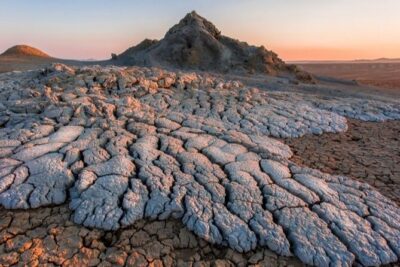
Gobustan, Volcanoes, Fire Temple and Yanardag Day Trip
Read our review →
Gobustan & Mud, Fire Temple, Burning Mountain (Group & Private)
Read our review →
Mud Volcan-Fire Temple and Mountain Tour/Entrance inc
Read our review →
Gobustan Mud Volcanoes Temple & Entry tickets included
Read our review →Browse the lists this tour appears in