
Reviewed · GOBUSTAN TOURS
Baku Qobustan Absheron Full Day Guided Tour
Azerbaijan’s strangest sights arrive one after another here: prehistoric rock carvings, bubbling mud, and flames rising from the ground. This full-day trip links Qobustan and Absheron in one long circuit, giving you a quick look at the country’s ancient past, oil story, and fire-worship traditions.
I like two things in particular. First, the route covers places that are awkward to reach without transport, especially the mud volcanoes. Second, the low $19 price gets you a full day on the road, hotel pickup as advertised, and a return to Baku’s Old City area. The main drawback is organization: pickup, bus changes, air conditioning, language balance, and guide quality have all been uneven.
Key points to know before booking
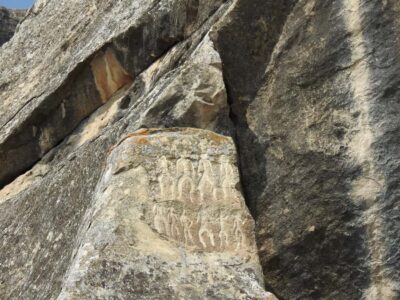
- Qobustan’s rock carvings show hunting, dancing, animals, and daily life from thousands of years ago.
- Mud volcanoes require a separate 30-minute vehicle transfer, with an additional 15 AZN admission charge.
- Yanardag and Ateshgah are short visits, so expect an introduction and photographs rather than a long, quiet stay.
- The $19 fare does not include several entrance fees or lunch, so budget extra for the main sights.
- English and Russian are offered, but the group may be mixed, which can limit English commentary.
- The tour finishes at Icherisheher, not back at your hotel, making it useful if you plan to explore Baku’s Old City afterward.
Why this route is worth your day
This is not a gentle sightseeing loop. It is a nine-hour outing with several vehicle rides, short stops, and a fairly full schedule. Still, it brings together a set of sights that explain why Azerbaijan is often linked with stone, oil, mud, and fire.
Qobustan gives you the oldest part of the story. The rock carvings record people, animals, boats, and rituals in a region used by human communities for thousands of years. The mud volcanoes show the earth still bubbling and shifting. The First Oil Well points to Azerbaijan’s modern energy story, while Yanardag and Ateshgah connect the region to natural gas and fire worship.
I would choose this excursion if you have limited time in Baku and want to see beyond the city. It works best as a broad first look rather than a slow, specialist visit. You will see a lot, but you will not linger long at every stop.
At $19 per person, the basic price is strikingly low for nine hours of transport and guiding. The catch is that the advertised price leaves out admission fees, lunch, and the mud-volcano transfer. The listed extras total 40 AZN if you visit all the paid attractions, before food. That still may be good value, but compare the final cost rather than judging the tour by the headline price alone.
More Full-Day Tours in Gobustan & Absheron
- Full Day Trip in Baku (Gobustan & Absheron)
★ 5.0 · 72 reviews - Gobustan,Mud Volcanoes & Absheron Peninsula full day tour
★ 5.0 · 30 reviews - Full-Day Gobustan and Absheron Tour
★ 5.0 · 19 reviews
Leaving Baku and visiting Bibiheybət Mosque
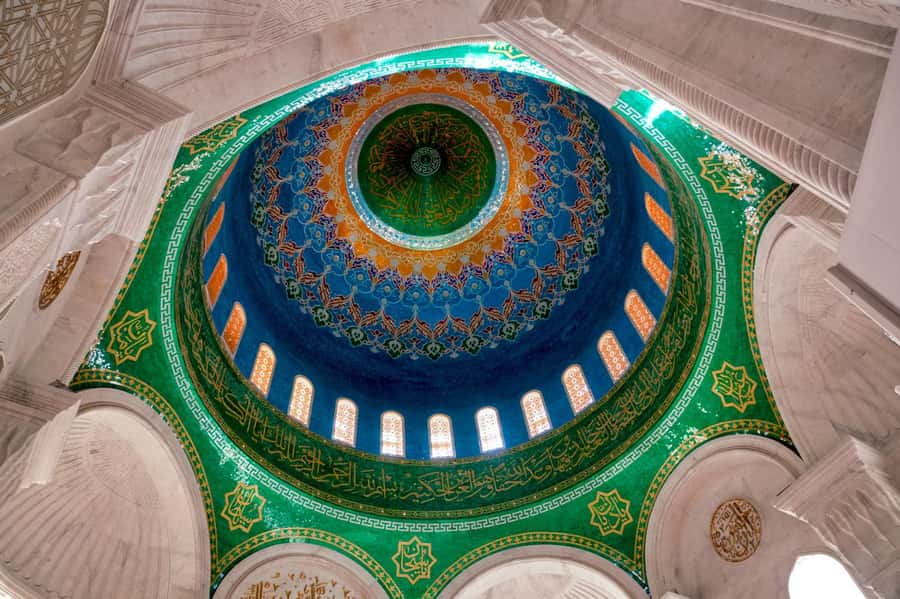
The day begins with pickup in Baku, followed by a short drive to Bibiheybət Mosque. You get about 30 minutes here, including a guided visit and free time.
This stop adds a religious and local touch before the countryside sights begin. It also breaks up the long day early. Since the visit is brief, you should treat it as an introduction rather than a full architectural study.
Pickup is the first point to handle carefully. Hotel pickup is included in the tour details, yet one departure required a participant to walk to a meeting point near Double Gate after receiving a same-morning WhatsApp message. There was also no clear company sign at the meeting area. I would confirm the pickup point and time directly before the morning of departure, and keep your phone available.
One additional practical issue is vehicle coordination. A reported departure involved a late pickup, then about 40 minutes waiting at a gathering point to change buses. That kind of delay matters on a nine-hour schedule because the stops are already tightly timed.
Qobustan’s ancient carvings and museum
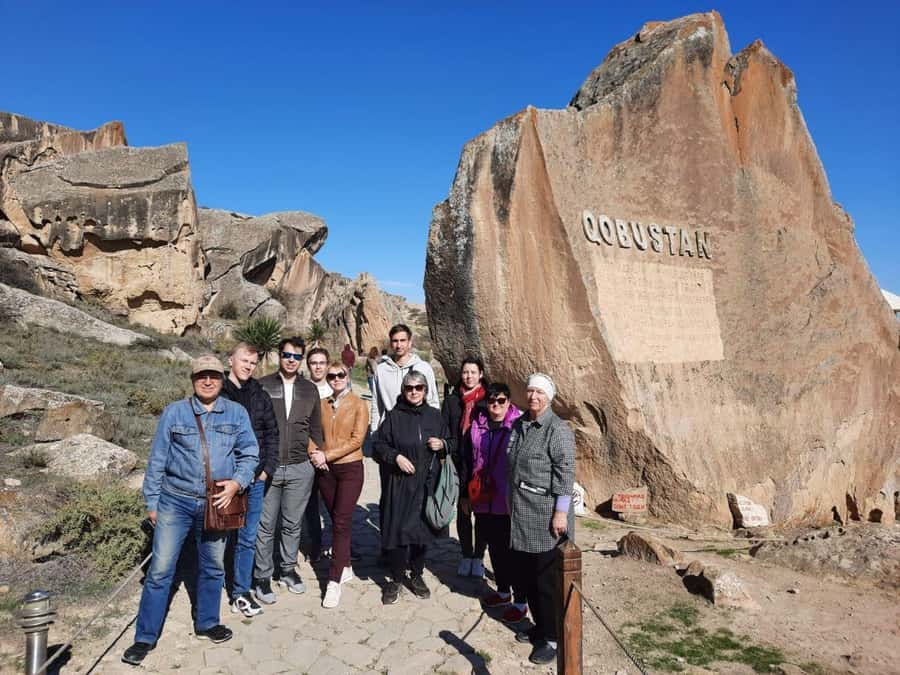
After roughly 50 minutes by bus, you reach Qobustan for around 80 minutes of guided sightseeing and free time. This is the cultural heart of the route.
The Qobustan rock carvings are the reason to take this trip. They offer a direct look at how early communities represented animals, people, movement, and ceremony. The stone panels are not just decorative marks. They are clues about work, belief, and the way people understood their surroundings.
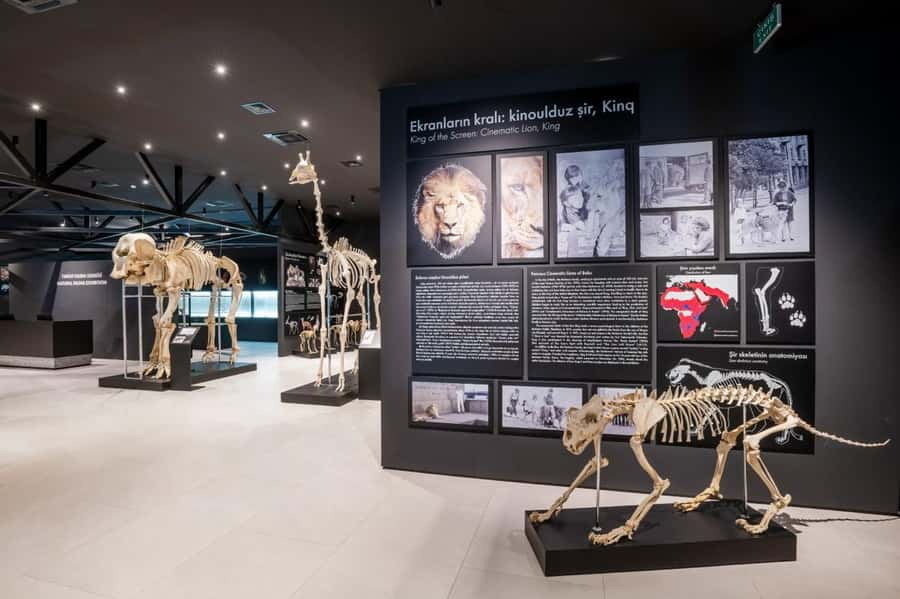
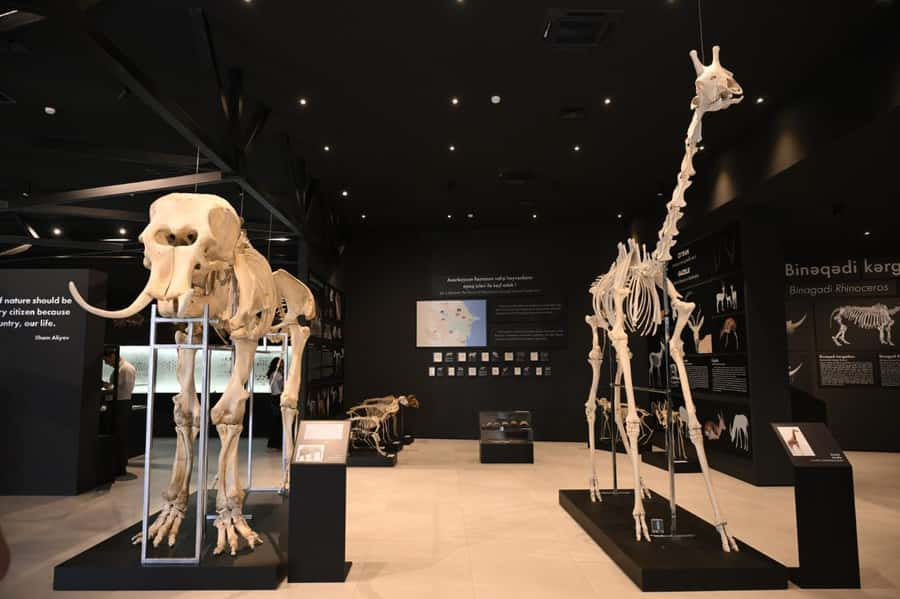
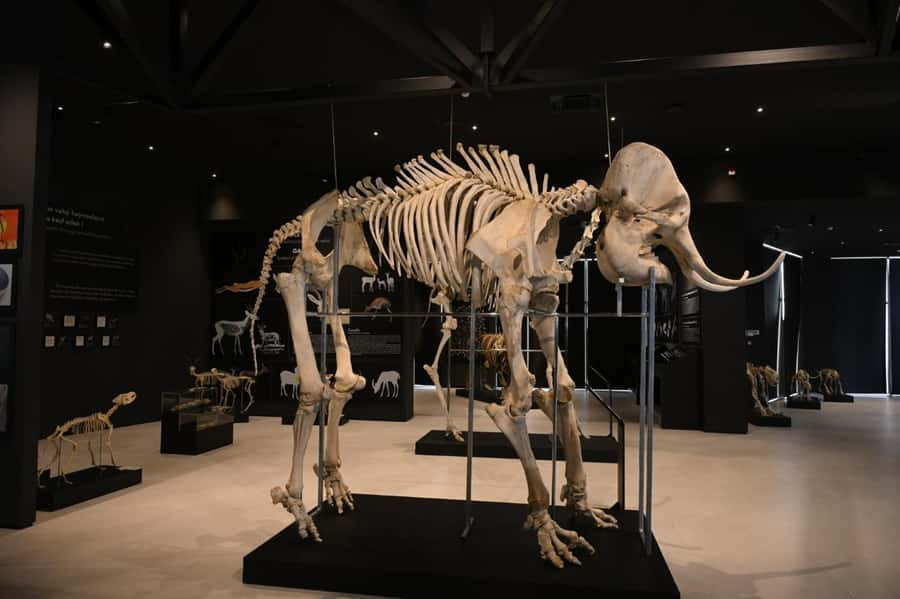
The Qobustan visit includes the Rock Arts Museum, where you can get context before or after seeing the carvings. Admission is not included and costs 10 AZN. The supplied information also describes two other museum-style stops, one focused on natural history and another on minerals, with interactive demonstrations. These additions can help explain the region’s geology, though the amount of time available may vary with traffic and group management.
Bring shoes suited to uneven outdoor ground. No special hiking claim is made for the tour, but Qobustan is a rocky site, and you will get more from it if you are comfortable walking and looking closely at the stone surfaces.
The main limitation is time. Eighty minutes sounds generous, but it includes movement, guiding, photographs, and the museum. If ancient art is your main interest, you may wish for a quieter pace and more detailed explanation.
The vintage-car ride to the mud volcanoes
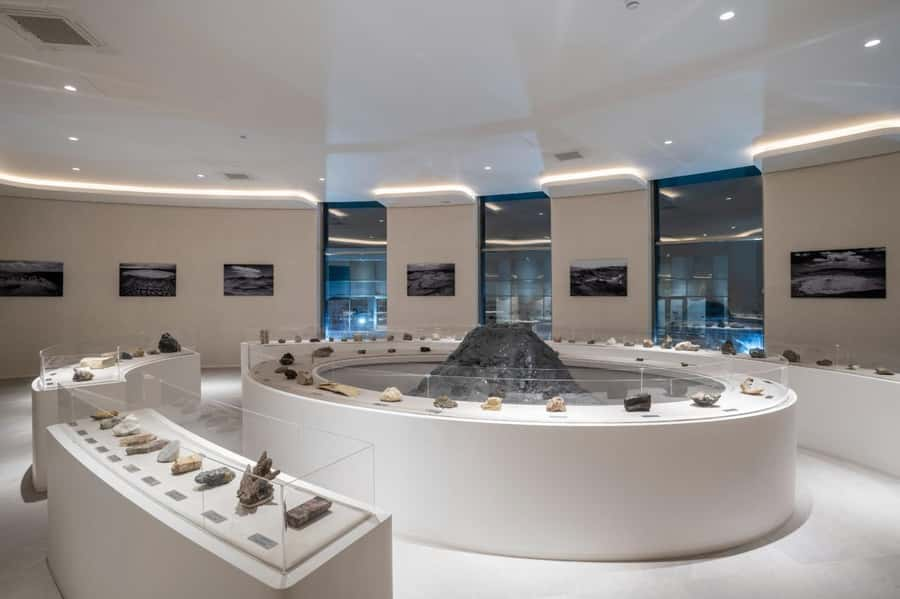
From Qobustan, a vintage car takes you toward the mud volcanoes for about 30 minutes. This is one of the more unusual parts of the day, and it explains why the tour uses a separate transfer instead of keeping the whole group on the coach.
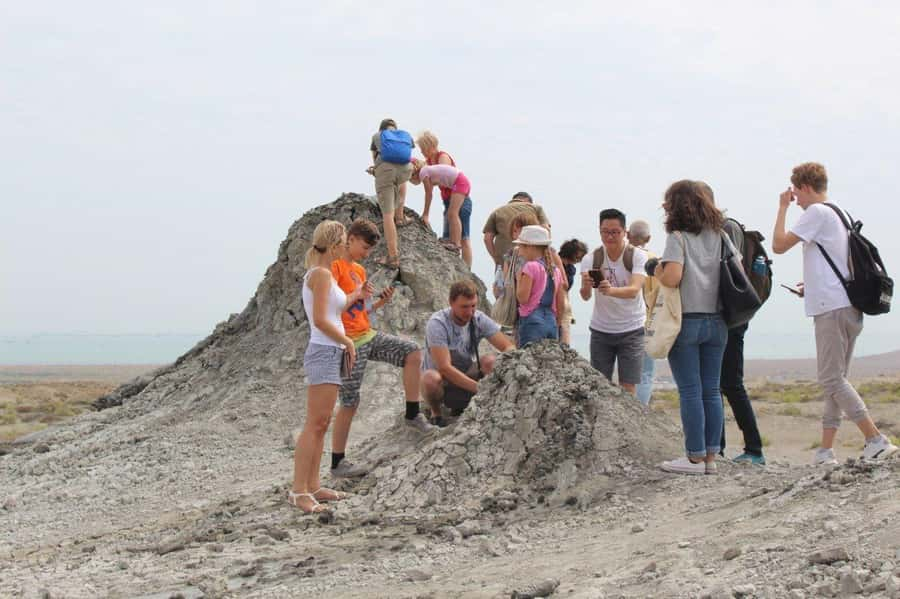
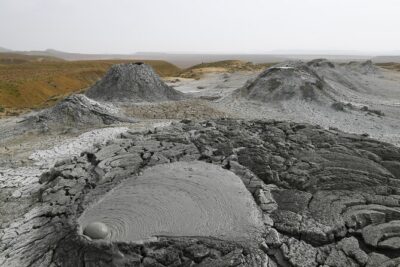
The mud volcanoes are not conventional volcanoes filled with hot lava. They push cool mud and gases toward the surface, creating small cones, pits, and bubbling patches. Azerbaijan is well known for these formations, and the setting feels very different from the carved rocks at Qobustan.
You get about 25 minutes for a guided look and photographs. That is enough to see the bubbling ground and take pictures, but not enough for a long walk or a detailed geological lesson. Stay close to the guide and follow instructions around the mud pits. Their appearance can be playful, but the ground is still a natural feature rather than a paved attraction.
The mud-volcano admission is listed separately at 15 AZN. The tour includes a free transfer to the volcanoes, which is useful because reaching them independently can be inconvenient. This is one of the strongest practical reasons to use a guided excursion.
More trips out to the Gobustan petroglyphs:
- Baku: Gobustan, Mud Volcano, Fire Mount, Temple Lunch Entry
★ 4.9 · 3,246 reviews - BEST Gobustan, Volcanoes & Absheron Fire Tour (Group or Private)
★ 5.0 · 1,254 reviews - Gobustan and Absheron tour (All inclusive)
★ 5.0 · 1,014 reviews - Baku: Gobustan, Volcanoes, Fire Temple and Yanardag Day Trip
★ 4.7 · 433 reviews
The First Oil Well and Azerbaijan’s energy story
The next stop is the First Oil Well, with about 20 minutes of guided explanation. This is a short stop, but it gives the day a clear modern theme.
Qobustan shows ancient human activity. The oil well points to the industrial force that helped shape Azerbaijan’s identity and economy. Together, the two stops show that this area has mattered for both human settlement and natural resources over a very long period.
Do not expect a large museum visit here. The schedule allows a quick look and an explanation before the bus moves on. I see it as a useful connecting chapter rather than the main event.
Lunch and the cost of eating on the road
The group gets a one-hour break at a local restaurant. Lunch is not included, so you should plan to pay separately.
A full hour gives you time to eat rather than grab something while standing. It also provides a needed pause after the morning’s walking and vehicle changes. Since the tour covers several paid sights, keep some local currency available for lunch and admissions.
The restaurant is described only as a local restaurant, so the exact menu and price are not stated. I would not book this tour expecting a special food experience. Think of the meal as a practical break in a long day.
Yanardag, where the ground burns
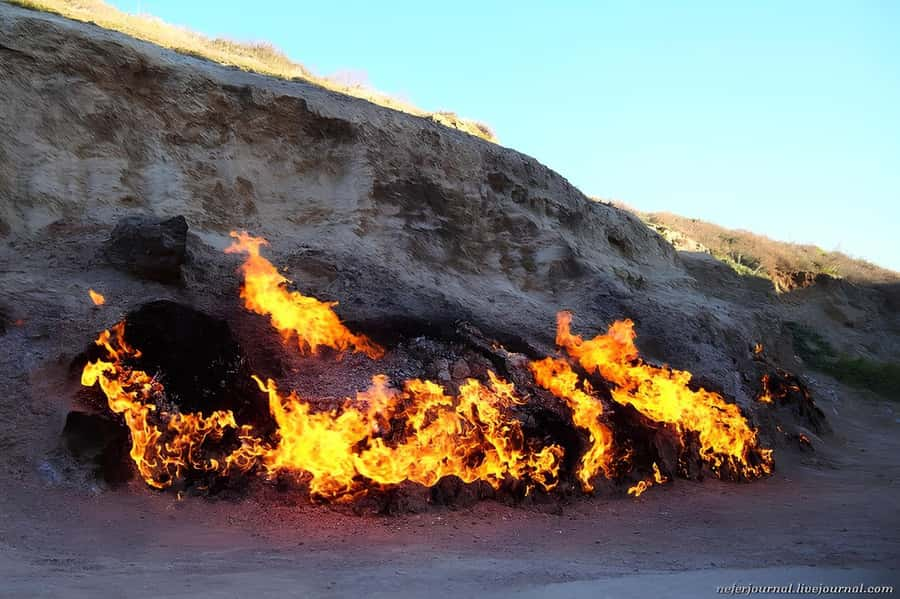
After about 40 minutes on the road, you reach Yanardag, known as Fire Mountain. The visit lasts around 30 minutes and includes a guided introduction, free time, and photographs.
Natural gas escapes through cracks in the earth and burns at the surface. The flames are the attraction, but the real interest is the connection between geology and belief. Fire that appears to rise from bare ground can easily become sacred, especially in a region where underground gas is common.
Yanardag is another paid stop, grouped with Ateshgah at a total listed cost of 15 AZN. Check the exact local ticket arrangement when you arrive, since the supplied price combines the two attractions rather than breaking them out.
Thirty minutes is enough to see the fire and take pictures. It is not a long interpretive visit. If you want a quiet moment, try to move slightly away from the busiest part of the group while staying within the allowed area.
This is one of the stops most likely to leave a strong visual memory. It is simple, strange, and easy to understand even if the guide commentary is brief.
Ateshgah Fire Temple and the final stop
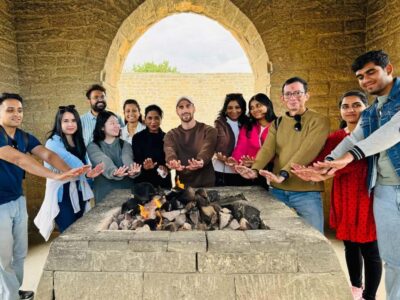
A short 10-minute bus ride brings you to Ateshgah of Baku, the Fire Temple. You get about 50 minutes for the guided visit, free time, and some shopping.
Ateshgah is linked with pre-Islamic fire worship and later Zoroastrian visitors. The central fire courtyard and surrounding rooms help explain how natural flames became part of religious practice. The site also shows that the area’s spiritual story did not begin with modern tourism.
Fifty minutes is a better amount of time than the brief Yanardag stop. You can listen to the guide, look through the rooms, take photographs, and browse for souvenirs. Still, the quality of the explanation matters greatly here. A rushed or thin commentary can make the temple feel like a quick photo stop rather than a meaningful historic site.
The tour ends at Icherisheher, Baku’s Old City. That is convenient if you want to continue exploring, find dinner, or visit nearby sights. Hotel drop-off is not included, so you will need to make your own way back to your accommodation.
The guide and bus experience
The tour is offered in English and Russian, with live guiding. In practice, the language setup can be mixed. One bus reportedly carried mostly Russian-speaking passengers, with only a small English-speaking group and two guides. The Russian commentary received more attention, while English explanations came mainly after reaching the attractions.
That does not automatically make the tour unusable for English speakers, but it is important if detailed guiding is your main reason for booking. You may spend part of the drive waiting through commentary in another language, then receive a shorter explanation at the stop.
Vehicle comfort also deserves attention. One report described a bus without air conditioning, while another described an oversold vehicle with two people placed in cramped seats near the driver. These are serious concerns on a long day, especially during warm weather.
The rules prohibit smoking in the vehicle, alcohol, drugs, and speakers. The activity is listed as wheelchair accessible, but the schedule includes rocky outdoor sites and a separate vintage-car transfer. I would confirm the practical arrangements in advance if you use a wheelchair.
What the $19 price really buys
The basic fare includes hotel pickup, transport during the route, a drop near the Old City, a discount card, and a free transfer to the mud volcanoes. It does not include the Qobustan museum ticket, the combined Yanardag and Ateshgah ticket, the mud-volcano ticket, lunch, or hotel return.
At the advertised price, the tour can be a strong budget option if you want transport to all four main areas. Independent taxis could become expensive across this distance, and arranging the mud-volcano transfer may be difficult. The low fare also makes sense for visitors who care more about seeing the sights than receiving polished guiding.
The value drops if you expect a small, calm group, strong commentary in English, reliable air conditioning, and perfect timing. In that case, a more expensive private or smaller-group tour may be worth comparing.
Who should book this excursion
I would recommend it to:
- First-time visitors who want a broad view of Baku’s surrounding area.
- Budget-conscious visitors who need transport to Qobustan and the mud volcanoes.
- People interested in archaeology, geology, fire traditions, and Azerbaijan’s oil story.
- Visitors who can handle a long day with several short stops.
- Anyone happy to explore the Old City after the tour ends.
I would be cautious if you need a calm pace, guaranteed hotel pickup, extensive English commentary, or a comfortable vehicle. The natural and historic sights are worthwhile, but the operating side has not been consistently smooth.
Should you book the Baku Qobustan Absheron tour?
Book it if your priority is seeing a lot for little money. Qobustan, the mud volcanoes, Yanardag, and Ateshgah make a memorable combination, and the route reaches places that are not simple to connect on your own.
Before paying, confirm the pickup location, language arrangement, vehicle details, and total cost with admissions and lunch. Go in expecting a fast-moving group outing, not a carefully paced cultural seminar. If you accept that tradeoff, this tour offers a useful and unusual introduction to Azerbaijan beyond central Baku.
FAQ
How long is the Baku Qobustan Absheron tour?
The tour lasts about nine hours, with departure from Baku and a finish at Icherisheher.
What languages are available?
Live guiding is offered in English and Russian.
Is hotel pickup included?
Hotel pickup is listed as included, but pickup arrangements have not always been clear. Confirm the exact meeting point and time before departure.
Does the tour return me to my hotel?
No. The tour finishes at Icherisheher, and hotel drop-off is not included.
Are entrance tickets included?
No. Qobustan Rock Arts Museum costs 10 AZN, the Fire Mountain and Fire Temple ticket is listed at 15 AZN, and the mud volcanoes cost 15 AZN.
Is lunch included?
No. The itinerary includes a one-hour break at a local restaurant, but lunch must be paid for separately.
Can I cancel the booking?
You can cancel up to 24 hours in advance for a full refund. Reserve-now, pay-later booking is also offered.
More Full-Day Tours in Baku
- Full Day Sightseeing Tour of the main Attractions around Baku
★ 4.5 · 388 reviews - Full-Day Baku City Tour
★ 5.0 · 26 reviews - Full day Individual & Historical Baku tour (Private & Group)
★ 5.0 · 17 reviews - A Full Day Baku City Private Tour
★ 5.0 · 16 reviews
More Days on the Absheron Peninsula
- Baku: Gobustan Absheron Tour Entry Tickets included
★ 4.9 · 329 reviews - Baku: Gobustan-Absheron Tour with Hotel PICK UP and DROP OFF
★ 4.8 · 170 reviews - Baku: Gobustan/Absheron guided tour with lunch and tickets
★ 4.8 · 158 reviews - Gobustan and Absheron peninsula ( Group or Private ) TOUR ( All inclusive )
★ 5.0 · 130 reviews
Just added around Baku
- Wine Tour Baku★ 5.0 · 4 reviews
- Baku Sightseing Tour★ 5.0 · 12 reviews
- Traditional Azerbaijani Cuisine Workshop★ 5.0 · 5 reviews
- The Magnificent Baku Night Tour★ 5.0 · 3 reviews
- Day Trip in Baku★ 5.0 · 6 reviews
- Baku Old City Tour★ 4.5 · 12 reviews
- Guided Old City Tour on Baku’s Timeless Charm★ 5.0 · 4 reviews
- Old City Walking Tour★ 5.0 · 6 reviews
Gobustan Tours, compared.
Gobustan, Mud Volcano, Fire Mount, Temple Lunch Entry
Read our review →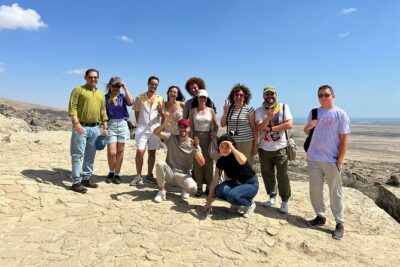
BEST Gobustan, Volcanoes & Absheron Fire Tour (Group or Private)
Read our review →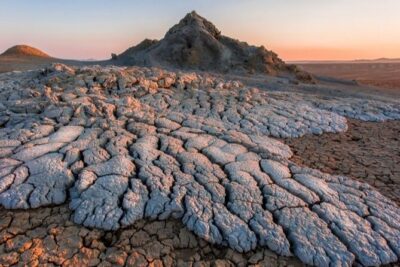
Gobustan, Volcanoes, Fire Temple and Yanardag Day Trip
Read our review →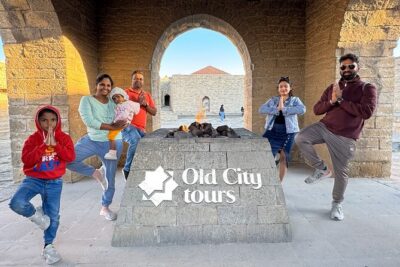
Gobustan & Mud, Fire Temple, Burning Mountain (Group & Private)
Read our review →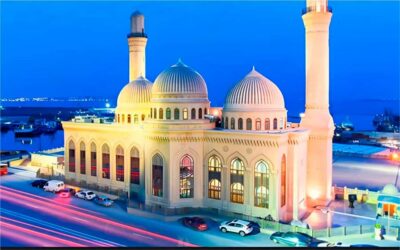
Mud Volcan-Fire Temple and Mountain Tour/Entrance inc
Read our review →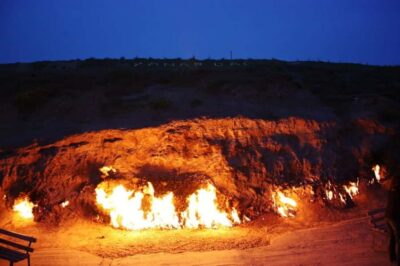
Gobustan Mud Volcanoes Temple & Entry tickets included
Read our review →Browse the lists this tour appears in