
Reviewed · GOBUSTAN TOURS
From Baku: Gobustan, Mud Volcanoes & Mosque Private Tour
Gobustan gives you three very different slices of Azerbaijan in one half-day: Stone Age rock art, a rebuilt medieval mosque, and bubbling mud volcanoes reached by rough off-road track. The petroglyphs are the main event, but the odd mix of archaeology, faith, and geology makes this a memorable trip beyond central Baku.
I like the private format, which lets you set the pickup time and spend longer at a stop if you need it. I also like the practical vehicle arrangement: a sedan, SUV, or Mercedes minivan takes you out from Baku, then a 4WD can handle the bumpy road to the volcanoes. The main drawback is that winter weather can close that road, and the five-hour schedule leaves little room for delays.
Key points at a glance
- Stone Age carvings near Baku: See prehistoric drawings of people, animals, boats, and daily life at Gobustan.
- A local guide at the museum: The Gobustan visit includes museum entry, a guided explanation, and time to walk around the rock-art area.
- A rough but memorable 4WD ride: The road to the mud volcanoes can be bumpy and may pass through unattractive industrial ground.
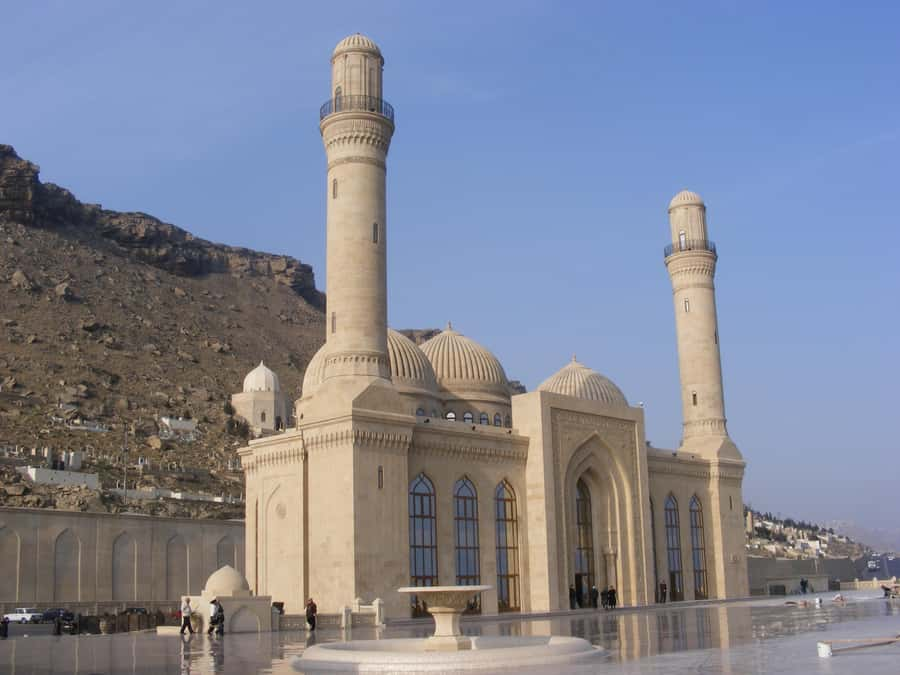
- Bibi-Heybat Mosque included: Visit the modern recreation of a mosque first built in the 13th century.
- Private and flexible: Pickup is available at your preferred location in Baku, with guides speaking English, Russian, Azerbaijani, or Turkish.
- Good value for a private outing: At $111 per person, the price makes the most sense for a small group sharing the vehicle and guide.
Why Gobustan makes a strong half-day from Baku
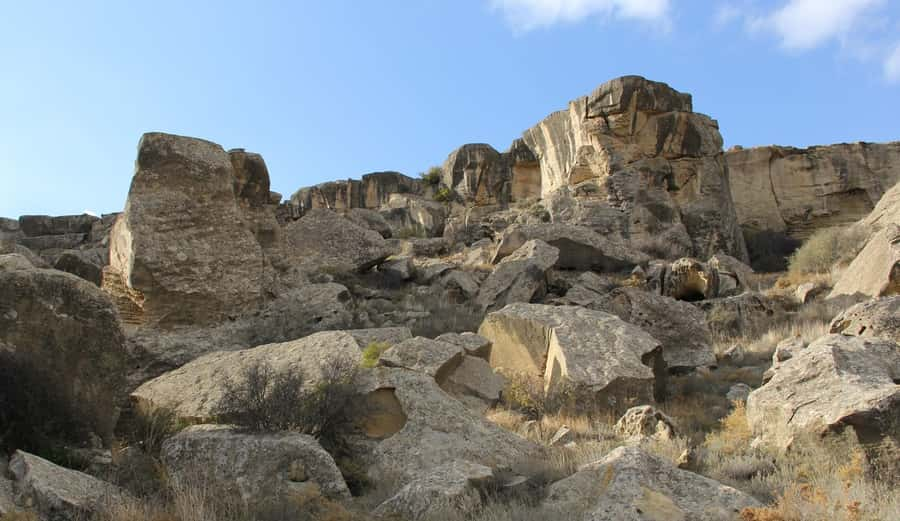
Gobustan is about 70 kilometers from Baku, far enough from the city to feel like a real outing but close enough for a five-hour tour. The appeal is not one grand monument. It is the contrast between several modest-looking places that tell very different stories.
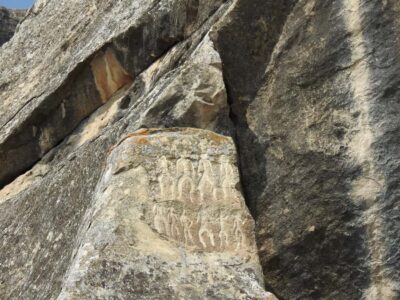
At the museum and reserve, you see rock drawings made by prehistoric people. These are not polished works of art in the modern sense. They are direct marks cut into stone, showing people, animals, boats, hunting scenes, and signs of everyday life. Together, they offer clues about the culture, economy, and beliefs of ancient people in this part of Azerbaijan.
The tour also takes you to Bibi-Heybat Mosque, a major religious site south of Baku. The current building is a modern reconstruction of a 13th-century mosque destroyed by the Bolsheviks in 1936. That history gives the visit an important layer: you are seeing both an old religious tradition and the effort to restore it in modern times.
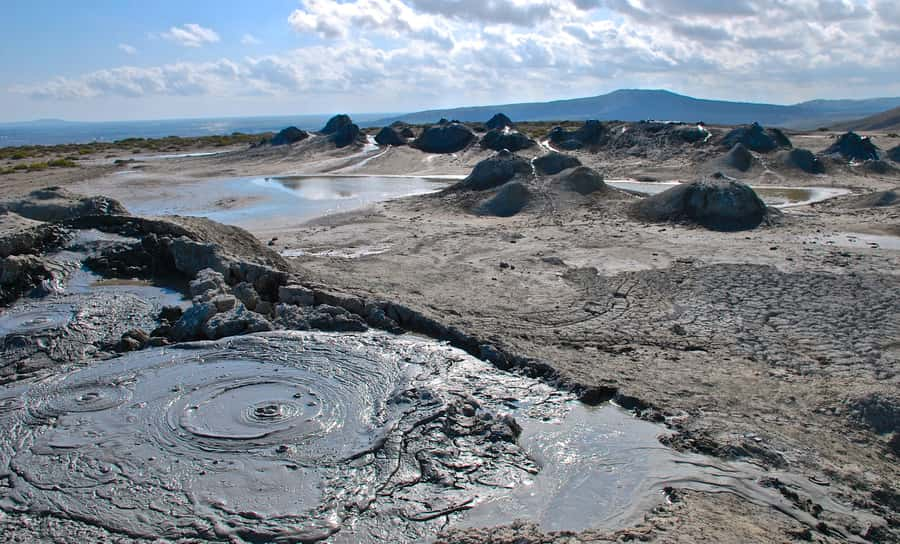
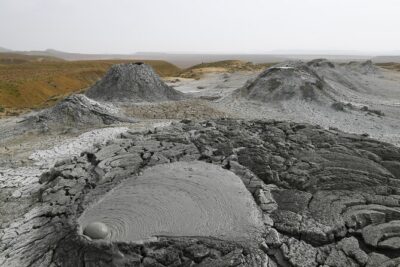
Then comes the mud volcano area, where thick grey mud bubbles and erupts from the ground. It is an unusual sight, and the journey there is part of the experience. You should expect a rough road rather than a smooth viewpoint reached by coach.
More Private Tours in Gobustan & Absheron
- BEST Gobustan, Volcanoes & Absheron Fire Tour (Group or Private)
★ 5.0 · 1,254 reviews - Gobustan & Mud, Fire Temple, Burning Mountain (Group & Private)
★ 4.5 · 418 reviews - Gobustan and Absheron peninsula ( Group or Private ) TOUR ( All inclusive )
★ 5.0 · 130 reviews
Getting from Baku to Gobustan
Pickup is included from your preferred location in Baku. The drive out of the city is handled in a sedan, SUV, or Mercedes minivan depending on the size of your private group. A private vehicle matters here because the stops are spread out and the mud volcano road requires a different approach from the regular highway.
The tour lasts five hours, including transportation, guided visits, walking, photo stops, and the return to Baku. That is a useful length if you have only one free morning or afternoon. It is also short enough to fit around other city plans, though you should avoid scheduling anything important immediately afterward.
The guide can speak English, Russian, Azerbaijani, or Turkish. Several guides associated with this experience, including Ramin, Rafael, and Rauf, have been singled out for clear explanations, helpful planning, and professional driving arrangements. You may not receive the same individual guide every time, but the guide service is a key part of the outing.
One useful detail is the flexible start time. The pickup can be arranged to suit your schedule, and one guide even suggested changing the start time to avoid the worst heat. That sort of adjustment is especially helpful in summer, when you will spend time outdoors on exposed ground.
Reading the oldest marks at Gobustan
The Gobustan stop takes about two hours, making it the longest and most important part of the outing. You begin at the Gobustan Museum of Petroglyphs, where the displays help explain the people and customs behind the carvings.
The museum ticket and entrance fees are included. A local guide takes you through the site, and the schedule allows time for both explanation and independent looking. That balance matters. Petroglyphs can blur into a field of similar lines if you rush past them, but they become more interesting when you know what to look for.
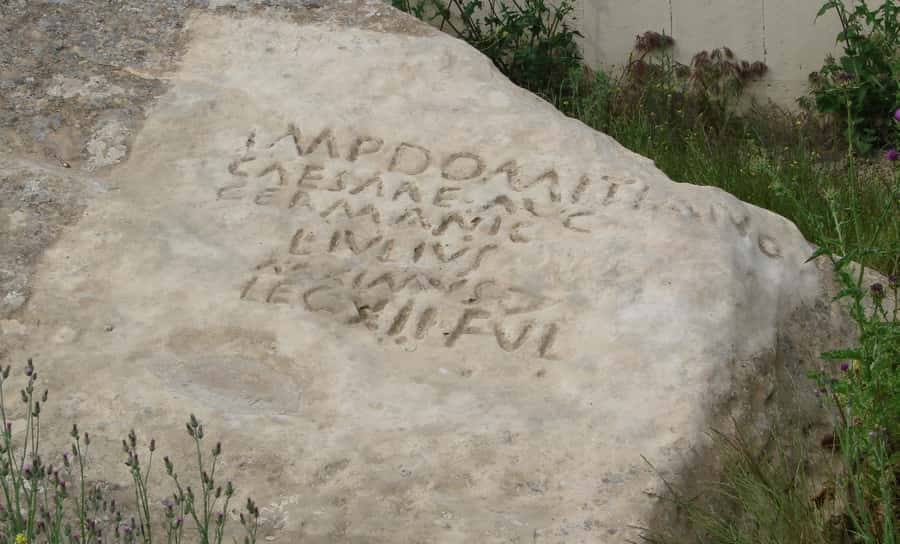
The drawings were carved on cave walls and exposed rocks. They reflect the daily concerns of ancient communities, including movement, hunting, animals, and social life. The important point is not that every carving is immediately easy to recognize. The value comes from seeing how people recorded their world long before written records.
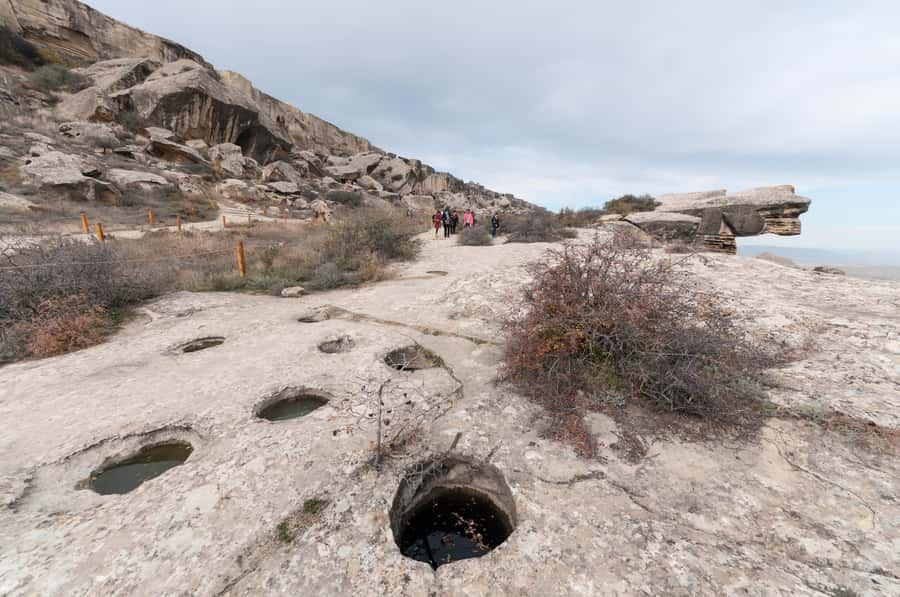
You will also walk through the open rock area, so wear practical shoes and bring water. Drinks are included, but this is still an outdoor visit with uneven surfaces and limited shade. The tour description allows free time, so use it to study the carvings at your own pace rather than treating the stop as a quick photo break.
Gobustan is protected as a UNESCO World Heritage Site, and that status reflects the importance of the collection rather than the polish of the visitor facilities. The setting is spare and rocky. If you want grand interiors or a neatly staged archaeological park, this may feel basic. If you like seeing physical traces left by ordinary people thousands of years ago, it is the strongest stop of the day.
Bibi-Heybat Mosque and a complicated past
The stop at Bibi-Heybat takes about one hour. The mosque is among the oldest associated with Baku, though the structure you see today is a modern recreation. The original 13th-century building was destroyed in 1936 during the Bolshevik period.
That distinction is worth keeping in mind. This is not an untouched medieval building. It is a restored spiritual center, and its importance comes from the religious tradition tied to the site as much as from the structure itself.
The visit normally includes time for photographs and a look around. The mosque is still an active place of worship and the spiritual center for Muslims in the region. Dress and behavior should be respectful, and the timing can matter. One past tour could not visit because Friday prayers would have made the mosque especially crowded. The practical lesson is simple: confirm the mosque stop with your guide, particularly if your tour falls around midday on Friday.
Bibi-Heybat gives the day a useful change of pace. After the ancient carvings and open rock, you move into a living religious setting connected to Azerbaijan’s more recent past. You are not simply checking off another monument. You are seeing how a historic site can be damaged, rebuilt, and returned to public religious life.
More trips out to the Gobustan petroglyphs:
- Baku: Gobustan, Mud Volcano, Fire Mount, Temple Lunch Entry
★ 4.9 · 3,246 reviews - Gobustan and Absheron tour (All inclusive)
★ 5.0 · 1,014 reviews - Baku: Gobustan, Volcanoes, Fire Temple and Yanardag Day Trip
★ 4.7 · 433 reviews - Baku: Gobustan Absheron Tour Entry Tickets included
★ 4.9 · 329 reviews
The mud volcanoes and the rough road beyond
The mud volcano stop is planned for about one hour, including photographs, walking, free time, and a self-guided look at the eruptions. Azerbaijan is famous for its mud volcanoes, and Gobustan offers a chance to see this strange natural feature close to Baku.
These are not hot lava volcanoes. Mud, gas, and underground pressure push thick material to the surface, often creating small cones and bubbling pools. The activity can vary, so do not expect a dramatic eruption on demand. The attraction is the unusual ground, the bubbling mud, and the wide views around it.
The road is part of the story. You may switch from the regular tour vehicle into a 4WD for the final section. The route can be very bumpy, and one account describes it as rough but fun. It may also pass through ground that looks more like a landfill or industrial edge than a scenic park. Go with the right expectations: this is an off-road outing, not a polished nature reserve.
That rough approach is also why winter deserves special attention. The road may not be accessible during the colder months. If the volcanoes are a major reason you are booking, ask about current road conditions before you go. If access is closed, the other stops can still make a worthwhile excursion, but the experience will not be the same as the advertised three-part route.
Bring shoes that can handle dirt and keep your camera ready. You will have time for photographs and free exploration, but there is no promise of a large eruption or a long guided geology lecture. The stop works best if you enjoy unusual places and do not need every attraction to be highly developed.
What the private format really adds
The tour is designed for a private group rather than a large coach. That gives you more control over the pickup, the pace, and the conversation. You can ask about ancient Azeri life at Gobustan, the mosque’s rebuilding, or the geology of the volcanoes without waiting for a whole busload of people.
Private does not mean luxury. One past group described the vehicle and service as practical rather than lavish, while still finding the arrangement fair for what was included. That is the right way to judge it. You are paying for a dedicated vehicle, guide service, entry fees, museum tickets, drinks, and the convenience of connecting three distant stops in one morning or afternoon.
The guide can also help manage changes. A different vehicle may be arranged for the off-road section, and the start time can be adjusted where possible. Several guides, especially Ramin and Rafael, have been praised for being kind, helpful, and attentive to the pace of the visit. The quality of the day depends heavily on who guides you, but the available language choices and private setup give you a good base.
At $111 per person, the value depends on group size. For one person, it is a fairly serious half-day expense. For a couple or small private group, the cost is easier to justify because it covers transport, a guide, tickets, and the hassle of reaching places that are not all on the same route. You are also saving time compared with trying to arrange separate transport to Gobustan and the volcanoes.
Meals are not included, so eat before pickup or plan food separately. The five-hour duration is long enough to make food worth considering, especially if your departure time cuts across lunch.
What can go wrong, and how to plan around it
The biggest risk is the mud volcano road. Winter conditions can close it, and rough ground may make the ride uncomfortable for anyone who dislikes off-road travel. Ask before departure if the 4WD transfer is running and if the road is open.
The second issue is time. Gobustan receives about two hours, the mosque about one hour, and the volcanoes about one hour, with driving included in the overall five-hour plan. That is efficient, but it is not leisurely. You will see the main points, not spend half a day at each one.
The mosque can also be affected by religious services. A Friday midday visit may be crowded or unavailable. Confirm the order of stops and the expected access with your guide instead of assuming every stop will happen exactly as planned.
Finally, the experience is outdoors and can be hot. Flexible scheduling helps, but you should still bring sun protection, water, and sensible footwear. Drinks are included, yet that should not replace your own preparation for walking in open terrain.
Who should book this Gobustan tour
I would recommend it to anyone based in Baku who wants to see more than the city’s architecture in a single outing. It suits people interested in archaeology, religion, unusual geology, and the practical story of how Azerbaijan’s sites are preserved and used today.
It is especially useful for a first visit, since you get a broad introduction without spending a full day organizing separate transport. Families with older children may also like the variety: drawings, a mosque, and mud volcanoes are easier to remember than another sequence of museums.
You may want a different arrangement if you need a slow, luxurious day, dislike bumpy roads, or want a long specialist lecture at each stop. The volcano section is basic and weather-dependent, and Gobustan requires walking on uneven ground.
For the best experience, treat the trip as an efficient private introduction rather than a premium luxury excursion. Ask who your guide will be, confirm the mosque timing, and check the volcano road before departure. Those small checks can prevent the main disappointments.
Is this five-hour trip worth booking?
Yes, for most visitors with limited time in Baku. Gobustan is the clear centerpiece, and the mosque and volcanoes add variety without requiring another day outside the city. The private vehicle and guide make the $111 price reasonable for a couple or small group, particularly because tickets, transport, drinks, and guide service are included.
Book it if you want archaeology with a little adventure and can accept a basic, sometimes bumpy setup. Think twice if the volcanoes are essential during winter, or if you expect every stop to be open and polished. Confirm road access and mosque timing before paying, then enjoy a day that moves from prehistoric carvings to living faith and bubbling earth.
FAQ
How long does the tour last?
The tour lasts five hours, including pickup in Baku, the visits, transportation between stops, and the return to Baku.
What places are included?
The tour includes Gobustan Rock Art Cultural Landscape, the Bibi-Heybat Mosque, and the mud volcanoes in Azerbaijan.
Is transportation included?
Yes. Transportation is included, using a sedan, SUV, or Mercedes minivan for larger groups. A 4WD may be used for the rough road to the mud volcanoes.
Are museum tickets and entrance fees included?
Yes. Museum tickets and entrance fees are included in the price.
Are meals included?
No. Meals are not included, though drinks are provided.
What languages can the guide speak?
Guide service is available in English, Russian, Azerbaijani, and Turkish.
Can I visit the mud volcanoes in winter?
The road to the mud volcanoes may not be accessible during winter. Check current road conditions before the tour, especially if the volcanoes are a priority for you.
More Mud Volcano Runs
- Baku:Gobustan Mud Volcanoes Temple & Entry tickets included
★ 4.8 · 178 reviews - Baku: Half-Day Gobustan and Mud Volcanoes Tour with Entry
★ 4.7 · 144 reviews - Mud Volcanoes & Gobustan tour (Group & Private)
★ 4.5 · 59 reviews - Gobustan & Mud Volcanoes Tour (tickets included)
★ 5.0 · 58 reviews
Just added around Baku
- Wine Tour Baku★ 5.0 · 4 reviews
- Baku Sightseing Tour★ 5.0 · 12 reviews
- Traditional Azerbaijani Cuisine Workshop★ 5.0 · 5 reviews
- The Magnificent Baku Night Tour★ 5.0 · 3 reviews
- Day Trip in Baku★ 5.0 · 6 reviews
- Guided Old City Tour on Baku’s Timeless Charm★ 5.0 · 4 reviews
- Baku Old City Tour★ 4.5 · 12 reviews
- Old City Walking Tour★ 5.0 · 6 reviews
Gobustan Tours, compared.
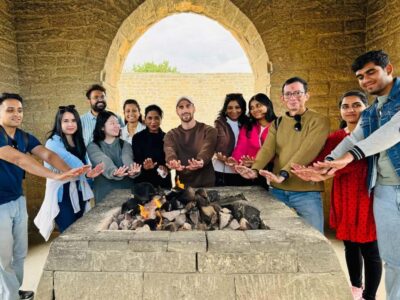
Gobustan, Mud Volcano, Fire Mount, Temple Lunch Entry
Read our review →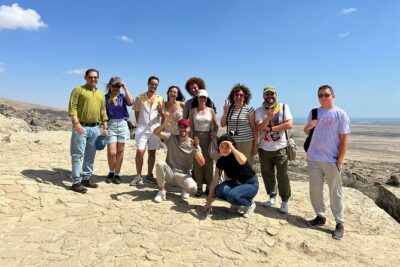
BEST Gobustan, Volcanoes & Absheron Fire Tour (Group or Private)
Read our review →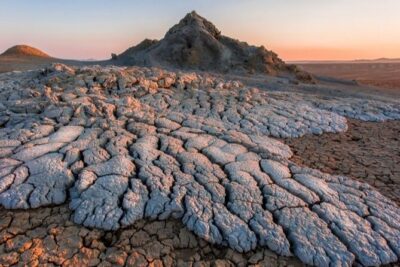
Gobustan, Volcanoes, Fire Temple and Yanardag Day Trip
Read our review →
Gobustan & Mud, Fire Temple, Burning Mountain (Group & Private)
Read our review →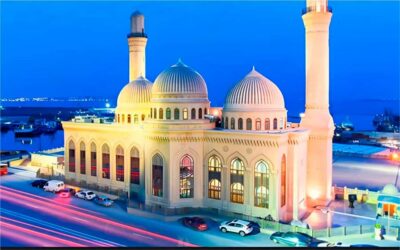
Mud Volcan-Fire Temple and Mountain Tour/Entrance inc
Read our review →
Gobustan Mud Volcanoes Temple & Entry tickets included
Read our review →Browse the lists this tour appears in